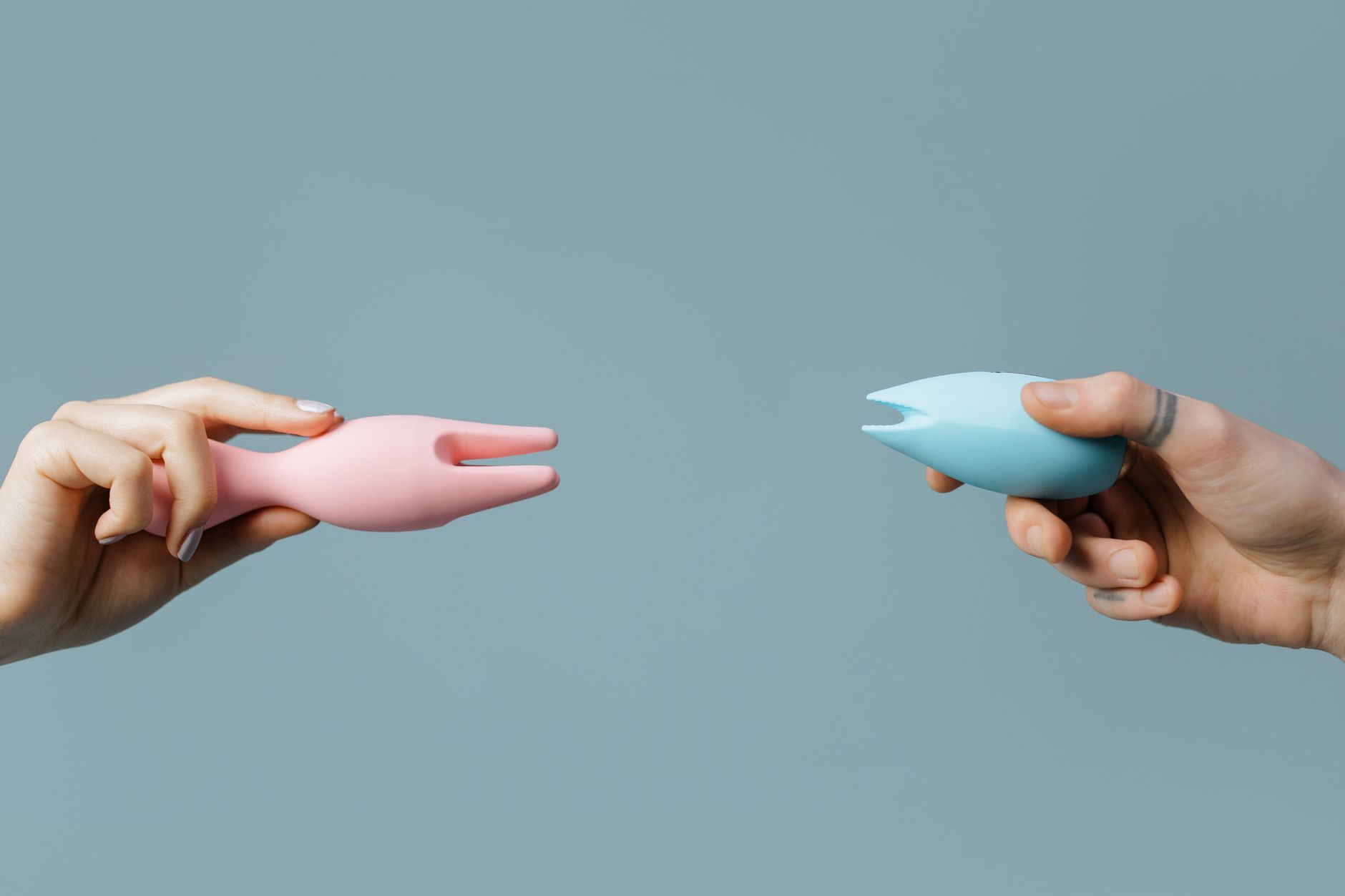
How to Use Lemon Vibrators When Your Sensitivity Threshold Changes With Age
Let's be real. Your clitoris isn't static. It changes with every decade, every cycle, every major life event. What felt perfect at 25 might feel too intense, too numb, or just plain wrong at 40. And if you're using a clitoral vibrator like the ones from Lemon Clit Vibrator, ignoring that shift means either white-knuckling through discomfort or abandoning pleasure altogether. Neither is necessary.
Here's what actually happens to clitoral sensitivity as you age, and exactly how to adjust your lemon vibrator technique so you get back to feeling incredible.
The biological shift nobody talks about
Your clitoris has about 8,000 nerve endings. That doesn't change. But the tissue around it does. Collagen thins, blood flow patterns shift, hormones fluctuate differently, and the nerve sensitivity itself can intensify or dull depending on your age, hormonal status, and overall vascular health.
In your 20s and early 30s, many people can tolerate (or even crave) aggressive, high-intensity stimulation. Fast patterns, maximum suction on a lemon sucker like the Lem, direct pressure. Your tissue is thicker, your arousal ramps up quickly, and your nervous system has a higher threshold.
By your 40s and 50s, something shifts. Sometimes sensitivity increases. The same intensity that felt good now feels sharp or almost painful. Other times it decreases. You chase the feeling and it slips away. Some people experience both depending on where they are in their cycle or menopause journey.
This isn't dysfunction. It's not a problem. It's recalibration.
Why intensity tolerance changes
Three things are happening simultaneously.
Nerve density and responsiveness. The nerve endings themselves don't disappear, but how they fire changes. Research on aging and sexual sensation shows that while overall sensation may dull in some areas, precision often sharpens. Meaning: you might need less intensity to feel a lot, because what you feel registers more acutely.
Vascular changes. Blood flow to the genitals shifts with age. Your arousal response might take longer to build, but once it does, it can be more stable and sustained. This matters for lemon vibrators because you're not just chasing a quick peak. You're building slowly and holding intensity.
Hormonal fluctuation. Whether you're navigating perimenopause, menopause, or just the natural hormonal shifts of aging, estrogen and testosterone changes directly affect clitoral tissue thickness and how quickly you respond to touch.
How to recalibrate your lemon vibrator settings
If you've been using the same pattern and intensity for years, your first move is to treat your vibrator like a new tool.
Start with pattern 1 or 2. Not because you're broken, but because your baseline has shifted. What felt like a warm-up at 30 might be where pleasure lives now. Spend 3-5 minutes just exploring the lowest settings before you even think about turning it up.
Use the pulsing patterns instead of the steady hum. Most lemon sexual toys have multiple vibration patterns. The steady ones feel overwhelming to more sensitive tissue. The rhythmic pulses (pattern 2, 3, or 4 on most devices) let your nerve endings fire and reset, which creates more pleasure with less intensity.
Angle matters more. The angle of approach to your clitoris changes the sensation dramatically. When you're using a suction vibrator like a lemon clitoral vibrator, try placing it slightly off-center or at a 45-degree angle instead of dead-on. You get stimulation without the direct pressure that can feel too sharp.
Build time into your ritual. You're no longer chasing a 10-minute orgasm. Budget 20-30 minutes and think of the first half as exploration, not foreplay. Your nervous system needs time to warm up. Your clitoral tissue needs time to engorge. Rushing it guarantees disappointment.
The role of lubrication and comfort
Age changes how much natural lubrication your body produces, especially if you're in perimenopause or menopause. But here's what matters for vibrator use: dryness changes sensation.
Dry tissue feels raw and overstimulated even at low intensities. Lubricated tissue feels rich and responsive at the same setting. So if your sensitivity has increased and everything feels too intense, check whether lubrication is actually the problem.
Use a water-based lubricant liberally. Seriously. Not just on the toy, but on your vulva before you start. You'll be shocked at how much a simple layer of lube changes what "too intense" actually feels like. Suddenly the same vibration pattern feels pleasurable instead of aggressive.
Combining solo pleasure with partnered timing
If you're in a relationship, sensitivity changes affect both solo and partnered sex. Many people find that as they age, they need more warm-up time with a partner too, but the actual preference for vibration intensity is totally different than what their partner expects.
Here's a workaround: use your lemon vibrator solo first. Spend time learning what patterns and intensities feel good now. Then, when you're with a partner, you know exactly what to ask for and can incorporate your toy into partnered play without having to explain or defend it in the moment.
If you're using lemon vibrators together for the first time, this knowledge is even more valuable. You're not experimenting; you're sharing.
When numbness shows up instead of sensitivity
Some people experience the opposite: sensitivity decreases with age. Nothing feels quite as intense. You're chasing sensation that's always just out of reach.
This is often hormonal. If you're in perimenopause or have been on hormonal birth control for years and recently stopped, your nervous system's baseline has shifted. Low sensation is normal for a season.
What helps: rotate your patterns frequently. Don't use the same setting twice in a row. Your nervous system adapts to repeated stimulation (it's called habituation), so mixing it up keeps sensation fresh. Use a higher pattern for 2 minutes, drop back to pattern 2, then switch to a pulsing rhythm. The variation keeps things interesting.
Consider also that decreased sensation sometimes points to clitoral numbness from desensitization. If you've been using the same intense pattern for years, your tissue has adapted. Taking a break from vibration for a few weeks, then returning with fresh eyes, can reset everything.
Pain or sharp sensation: knowing when to pause
If sensitivity increases to the point of pain, that's different. Sharp, burning, or pinching sensations aren't normal and shouldn't be pushed through.
Pain during vibrator use usually points to one of three things: overuse (using too long or too intensely), tissue thinning (which needs lubrication or lower intensity), or sometimes a sign of a condition like genitourinary syndrome or dermatitis that needs medical attention.
If you're consistently experiencing pain, check with a gynecologist before assuming it's an age thing. Often it's fixable with topical estrogen cream, better lubrication, or just a different approach to timing and intensity.
The psychological piece
Here's what I see clinically: people often assume their body is broken when sensitivity changes. So they either white-knuckle through discomfort (bad) or they stop exploring (worse).
Sensitivity change is information, not a sentence. It's your body telling you something's different and asking you to pay attention. When you do, pleasure often deepens because you're working with what you have now, not against it.
That shift in attention, from frustration to curiosity, changes everything. Suddenly a lower intensity feels luxurious instead of disappointing. A longer session feels like a ritual instead of a chore. And you remember why you wanted to explore this in the first place.
Practical checklist for your next solo session
When you sit down with your lemon vibrator next time, run through this:
- Lubricate generously. Yes, even if you think you don't need it. You're testing a baseline.
- Start at the lowest pattern. Spend 5 minutes here before moving up.
- Try different angles. Slightly off-center, at 45 degrees, with your hand angled differently. Notice what shifts.
- If nothing happens in 15 minutes, take a break. Pushing through builds frustration. Rest, breathe, maybe read something hot, and try again later.
- Notice what pattern your body settles into. This is your new baseline. Write it down.
- Extend your timeline. Whatever you think you need, add 10 minutes. Your nervous system is slower than it was, and that's fine.
FAQ: Sensitivity and age
Why does my clitoris feel less sensitive now even though I'm the same age I was five years ago?
Sensitivity isn't static within a year either. Hormonal cycles, stress, sleep, relationship status, and general health all shift how responsive you are. If you're noticing a gradual decrease over months, it's likely hormonal (perimenopause, birth control changes, thyroid issues) or psychological (stress, disconnection from your body, relationship tension). A slow desensitization pattern is worth mentioning to a doctor. Sudden numbness is also worth checking out.
Is it normal to need lower intensity as I get older?
Completely normal. Your tissue changes, your nervous system's baseline shifts, and many people find that as they age, less intensity feels like more sensation. The opposite (needing higher intensity) is also normal and usually hormonal. Both are fine. What matters is you knowing your current sweet spot.
Can I retrain my sensitivity if it's decreased a lot?
Yes, but it takes time. If you've been using one intense pattern for years, your clitoris has adapted. Taking a vibrator break for 2-4 weeks, then returning with lower intensities and varied patterns, can reset your baseline. Some people also find that exploring non-vibration touch (your hand, a partner's hand, ice, temperature play) reminds them what subtlety feels like.
What if my sensitivity increased and everything hurts now?
First, lubricate more. Seriously. Dry tissue magnifies sensation in an unpleasant way. Second, lower your intensity and use pulsing patterns instead of steady vibration. Third, if pain persists, see a gynecologist. Sometimes increased sensitivity is a sign of irritation, hormonal changes that need attention, or dermatological issues. Don't assume it's just aging.
Does lube affect sensitivity?
It does, but not in a bad way. Lubrication reduces friction, which means your nervous system isn't sending "irritation" signals that mask pleasure. With proper lube, you feel more nuance at lower intensities, not less. It's the difference between hearing a song through static versus crystal clear.
Can my partner help me navigate this change?
Yes. Communication is everything. Tell them what's shifted. Show them your new baseline with your lemon vibrator. Let them participate in the discovery instead of disappearing to explore privately. When partners understand sensitivity has changed, they often feel relieved (because they thought they were doing something wrong) and become your greatest ally in recalibrating.
The bigger picture
Your body is always changing. Your sexuality changes with it. What felt transcendent at 25 might feel overwhelming at 45. What felt numb at 35 might feel electric at 55.
Instead of resisting that shift, you get to lean into it. You get to become an expert in your own pleasure, the way only time and attention can make you. You get to know your clitoris the way you know your own face. That knowledge, that intimacy with yourself, is where the deepest pleasure lives.
Your lemon vibrator isn't a static tool. It's an instrument you're learning to play in a new key. And honestly, the music's often better the second time around.