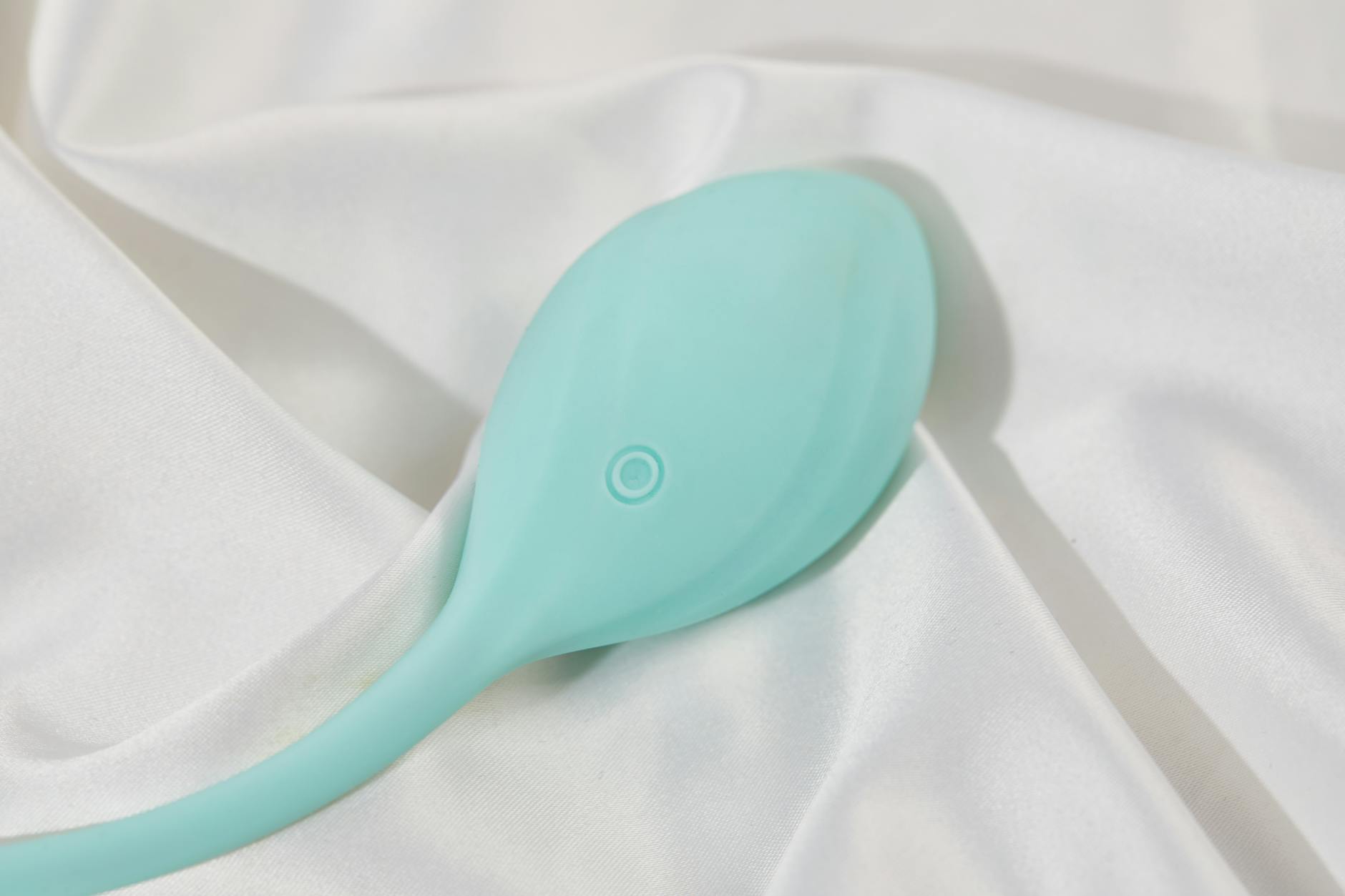
How to Use Lemon Vibrators When You're Over 40 and Haven't Explored Pleasure Solo
Honestly, I see this more often than you'd think. A woman hits 40, 45, 50 and realizes she's never really explored her own pleasure solo. Maybe there was a long-term partner, maybe life got busy with kids or career, maybe the culture you grew up in made solo pleasure feel off-limits. Whatever the reason, that silence around self-exploration doesn't mean you can't start now.
It actually means you're ready in ways a younger version of you might not have been. You know your body better. You're less concerned with what you're "supposed" to do. And you have the maturity to approach self-pleasure as something that matters, not as a guilty secret.
Why starting solo pleasure at 40+ is actually ideal
There's a weird cultural script that says solo pleasure is something you do at 16 and then graduate from. That's not how bodies work. Your capacity for pleasure doesn't peak and decline. It evolves. And at 40-plus, you have advantages:
Your nervous system has settled. You've weathered actual life events, which means stress and anxiety don't floor you the way they might have at 25. Your baseline nervous activation is lower, which actually helps your body enter arousal more easily.
You know what feels good in non-sexual contexts. You've learned to ask for what you need at work, in friendships, with family. That skill transfers directly to pleasure. You're less likely to second-guess yourself or override your own signals.
You're not performing for anyone. The cultural pressure to be sexy or to orgasm on cue loosens significantly after 40. You can explore at your own pace without the background noise of "Am I doing this right?"
The real barrier isn't age, it's permission
Most of my clients who start solo exploration at 40-plus don't have a physical barrier. They have a permission barrier. The voice in your head saying "I'm too old for this" or "I should have figured this out by now" or "What if someone finds out?"
Here's what I tell them: you're not starting late. You're starting now, which is the only time that matters. And you're starting with intention, not out of teenage curiosity. That's actually richer.
The other permission barrier is practical: you might not feel safe or comfortable exploring. Maybe you share a home with family. Maybe you've never had privacy. Maybe the idea of buying a toy feels exposing. That's exactly why a discreet, intuitive tool like the Lem works for this stage of life. It's small enough to store privately, doesn't require elaborate setup, and honestly feels more approachable than other lemon clitoral vibrators when you're just starting out.
How to set up your first solo session
Three non-negotiables:
Privacy and time. You need at least 20-30 minutes alone, without interruption. This isn't about orgasm pressure (we'll get to that). It's about your nervous system needing permission to relax into curiosity. Set a timer on your phone if that helps. Tell your partner or housemate you need uninterrupted time (you don't owe them details about what that time is for).
A physical boundary. Close the door, lock it if you can. Even if you're alone in the house, your nervous system needs to feel protected. This isn't paranoia. It's just how arousal works.
Low stakes. Go in with zero expectations about outcome. Not "I need to orgasm." Just "I'm going to explore sensation and see what happens." This sounds small, but it's the difference between pressure and curiosity.
Using lemon sexual toys when you're nervous
The first time you touch a vibrator to your body, most people feel a surge of nervous energy. That's normal. Your sympathetic nervous system is activated because this is new, and novelty triggers alert.
Here's how to work with that instead of against it:
Start with the device off. Just hold it. Feel the weight, the shape, the material. Let your nervous system get used to its presence. This takes about 90 seconds, which sounds silly but actually works.
Turn it to the lowest setting. Many people expect vibration to feel intense. It's often gentler than anticipated. Start at pattern 1 or 2 on a lemon vibrator. You can always increase intensity. You can't un-ring the bell if you go too strong too fast.
Take your time with external sensation. You have a clitoris with 8,000 nerve endings. You don't need to jump straight to direct stimulation. Explore the whole area around the clitoris first. The inner labia, the perineum, the area between the clitoris and the vaginal opening. Different areas have different sensations.
The first solo session usually feels underwhelming, and that's fine
I'm going to be honest: your first exploration with a lemon clitoral vibrator might not feel orgasmic. You might feel awkward. You might wonder why you're doing this.
That's the expected trajectory. Your body is processing sensations your nervous system hasn't encountered before. That takes time. By session 3-5, your body starts to learn the pattern. By session 10, many people find their rhythm.
The goal of session one isn't orgasm. It's permission. It's proof to your nervous system that you can explore your own pleasure without guilt, without an audience, without needing to justify it. That's the real work.
Building a rhythm without pressure
Once you've done 2-3 solo sessions, you can start to build intention. Not a schedule exactly, but a consistent rhythm. Maybe it's Thursday evening when the house is quiet. Maybe it's Sunday morning. The point isn't the day. It's the regularity, which signals to your nervous system: this is safe, this is normal, this is mine.
Many women find that the second or third session feels dramatically different from the first. Your body relaxes faster. Sensation builds more easily. That's your nervous system becoming familiar with the pattern. Stick with it.
What changes when you add a partner
If you're in a relationship, starting solo pleasure doesn't mean shutting your partner out. In fact, exploring solo first makes partnered sex better because you have actual data about what works for you. You're not discovering this in real-time with someone else watching.
If your partner is curious, you can share what you've learned: "I found that pattern 3 feels really good" or "I like it when I start slowly and build up." You're giving him or her a map, which actually reduces pressure on both of you.
If your partner feels threatened, that's different. That's about insecurity or a control dynamic, and it's worth addressing separately. Your solo pleasure is not a commentary on your partner's adequacy. It's a conversation between you and your own body.
Troubleshooting the early stages
Some people experience numbness or desensitization in early sessions. This often happens because they're jumping straight to high intensity. Dial it back. Use pattern 1. Take longer warm-up time. If you've been using numbing lubes in partnered sex, that desensitization can carry over. How to use lemon vibrators when you feel numb after numbing lubes covers that specifically.
Other people feel self-conscious or guilty during solo exploration. That's often deeply rooted cultural messaging, especially if you grew up with messaging that solo pleasure was shameful. That's worth sitting with. You're not broken. Your body is just processing old stories. A therapist can help if it feels stuck.
If sensation is extremely dulled or you can't get aroused despite feeling safe and having time, consider hormonal factors. Menopause, birth control, thyroid issues all affect arousal. How to use lemon vibrators during hormonal transitions without losing sensation has more detail on that.
Why lemon vibrators work for late starters
The design of a good lemon clitoral vibrator matters when you're starting late. You need something intuitive (not five buttons and a manual). You need something that starts gently (not a shock to your system). You need something discreet (because privacy matters).
The Hello Nancy Lem is designed exactly for this. The patterns progress gradually. The lowest setting is genuinely low. It's small enough to store in a nightstand drawer or a makeup bag. It doesn't scream "sex toy" to anyone who sees it. That matters when you're reclaiming your relationship with your own pleasure.
FAQ: Solo exploration at 40-plus
Is it normal to not know what feels good at my age?
Completely normal. If you've spent decades in partnered sex or with a low sex drive, you might not have had the chance to explore systematically. Your nervous system isn't behind. It's just unfamiliar with its own terrain. That takes time, not judgment.
Will starting solo pleasure now change how I feel about sex with my partner?
It might. Usually positively. Knowing what feels good means you're more present during partnered sex. You're not wondering or anxious about whether orgasm will happen. You've already answered that question. That actually builds trust and deeper connection because there's less performance pressure.
How often should I explore solo?
There's no "should." Some people find a rhythm of 2-3 times weekly. Others do it weekly. Some do it 5 times a week. The goal is regularity enough that your nervous system recognizes the pattern, not so frequent that it becomes compulsive. Listen to your actual desire, not a prescriptive schedule.
What if I don't orgasm for the first several sessions?
That's extremely common. Your nervous system is learning. Your body is processing sensations. Building arousal takes time when everything is new. Keep exploring. Most people find that orgasm appears somewhere between session 5-15, not before. And many people find that solo exploration helps them understand their body in ways that eventually make partnered orgasm easier too.
Should I tell my partner?
That depends on your relationship and your comfort level. Some couples find this energizing to discuss. Others keep it private. Both are fine. You don't owe your partner a report on your solo pleasure unless you want to share it. It's your body.
Is 40 or 50 or 60 too late to start?
No. I've worked with women who started solo exploration at 55 and 65. The neuroscience doesn't change. Your capacity for arousal and orgasm doesn't have an expiration date. It evolves. If you're starting now, you're exactly on time.
The bigger picture
Starting solo exploration at 40-plus isn't about catching up. It's about claiming something that was always yours. Your pleasure. Your curiosity. Your body.
The cultural narrative says that sexual self-discovery is something you do in your teens and twenties. If you missed that window, you're supposed to feel behind. I'm telling you that's a lie. You're not late. You're exactly where you need to be. You have the wisdom, the boundaries, and the self-knowledge that makes solo exploration richer now than it would have been then.
Start small. Start gentle. Start with permission. The rest builds from there.
If you have questions about your specific situation, reach out to Hello Nancy. We're here to support your pleasure journey, whatever stage you're starting from.