Let's name the elephant in the room
Your kid started school. You both got promoted. You moved to a new city. One of these things, or all of them, and suddenly you and your partner don't recognize each other in bed. The desire is still there, buried somewhere under the logistics, but it feels like a language you've both forgotten.
Here's what I see in my practice: couples don't lose attraction after major life shifts. They lose the safety and time to remember what attraction feels like. Sex becomes another task on an already impossible list. When that happens, the path back isn't through scheduled intimacy talk or couples therapy (though both can help). Sometimes it's through rediscovering what pleasure feels like when it's just for you.
Why solo pleasure comes before partnered reconnection
This might sound backward. But when your nervous system has been in survival mode for months, your body doesn't know how to receive pleasure anymore. You're in go-mode. Your partner initiates, and you feel resentful that it's one more demand. Or you feel guilty because you should want it. Neither of those is arousal.
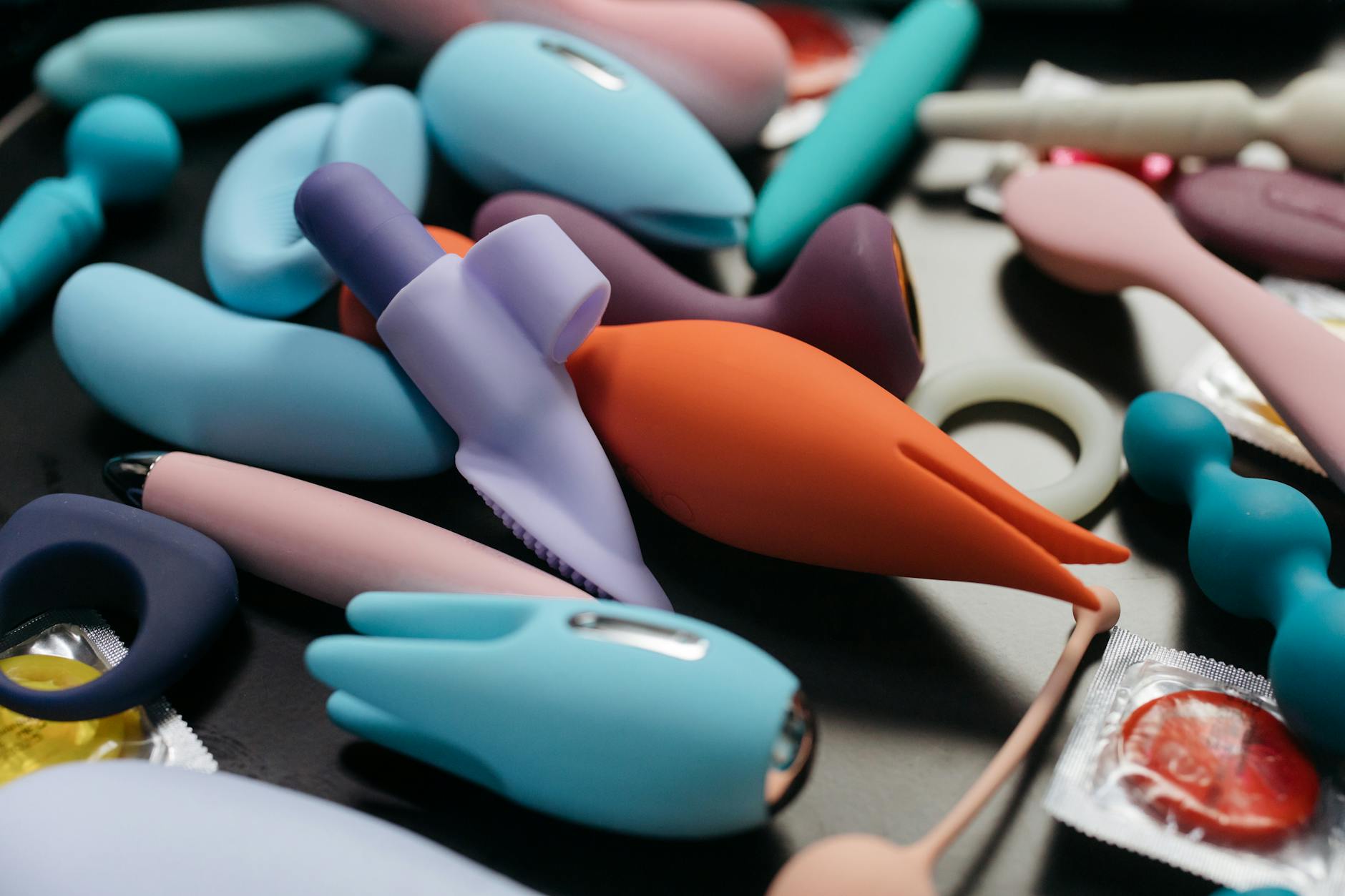
Solo exploration with a tool like the Lem does something crucial: it reminds your body that pleasure without obligation exists. There's no performance, no timeline, no one waiting. Your nervous system gets to downshift from demand mode back to receive mode.
Research on desire discrepancy in couples shows that when one partner reconnects with their own capacity for pleasure first, the couple's overall intimacy follows within weeks, not months. Not because you're being selfish, but because you're rebuilding the neural pathways that shut down under stress.
The timeline of reconnection after a major transition
Most couples experience desire drop about three months into a big life change. The adrenaline from the move, the new job, the baby's sleep training wears off, and you realize you haven't touched each other except in passing for weeks.
If you're at month four or five, here's what usually works:
Weeks 1-3: Solo rediscovery. Use a lemon vibrator alone, no pressure, no timeline. The goal is sensation, not orgasm. Start at a low intensity (patterns 1 or 2 on the Lem) and just notice what happens. Your body might feel distant at first. That's normal. You're waking it up.
Weeks 4-6: Building consistency. Set a real date with yourself once or twice a week. Not because you have to, but because your nervous system needs to know that pleasure is coming. This is where the magic happens. Anticipation rebuilds desire.
Weeks 7-10: Partner awareness without pressure. Tell your partner what you're doing in clinical terms: "I'm reconnecting with my own pleasure so I can feel more desire when we're together." This isn't a hint for sex. It's transparency. Some partners find this genuinely arousing. Others need time to adjust. Both reactions are fine.
Weeks 11+: Reunion phase. By now, you should feel more present in your body. Your partner might initiate. You might initiate. The difference is that when it happens, you're not depleted. You're joining something, not adding to the pile.
Why the Lem works better than alternatives during this phase
Clitoral suction toys like the Lem have a specific advantage when you're rebuilding after disconnection: they work with your body instead of demanding focus from it.
When you're mentally elsewhere (and you will be, at first), vibrators can feel like work. You're trying to chase sensation. Suction toys create sustained pressure that feels almost meditative. Your body doesn't have to work toward anything. It just receives.
The Lem also offers pattern variation, which is huge when sensation feels muted. Early in reconnection, straight vibration might feel dull. Switching between patterns (try 4, 6, or 7 if the first few feel boring) gives your clitoris new information without intensity that might feel overwhelming.
How to talk to your partner about this without it feeling like rejection
This is where I see couples hit a snag. You start using a clitoral vibrator for solo pleasure, and your partner interprets it as "she doesn't want me anymore."
Pre-emptive conversation is the move. Not defensive, not over-explaining. Just clear:
"I'm going to spend some time reconnecting with my own pleasure because I know I've been checked out. I want to feel present with you again, and I can't do that if I'm running on empty. This isn't about you or what you're or aren't doing. I'm just resetting my own system."
Most partners find this immensely relieving. You're not blaming them. You're taking responsibility for your own half of the reconnection.
If your partner has a stronger reaction (jealousy, feeling replaced, feeling inadequate), that's worth a real conversation, ideally with a therapist. But that conversation is separate from your solo exploration. Don't abandon your nervous system reset to soothe your partner's insecurity.
What changes when you integrate pleasure back into partnered sex
Once you've rebuilt solo capacity, the reunion looks different than before the major life change.
You're not trying to recapture what you had. You're building something new that fits the life you actually have now. That might mean quickies feel better than long sessions because you have finite time. It might mean you realize you want more foreplay than you did before kids. It might mean you actually want to use the Lem together, which shifts the dynamic entirely.
The couples I work with who navigate major transitions successfully do one thing consistently: they let pleasure look different, not smaller. Sometimes that's 15 minutes instead of an hour. Sometimes it's toys integrated instead of avoided. Sometimes it's less frequency but way more presence.
All of those are wins.
The permission you need to hear
Using a lemon vibrator to reconnect with yourself while your life is in upheaval isn't selfish. It's the infrastructure your relationship needs to survive big transitions.
Your desire will come back. Your connection will deepen. But it won't happen through willpower or guilt or trying harder. It happens through remembering, alone first, that you deserve pleasure. That your body matters. That the shift in your life doesn't have to be a shift away from intimacy. It just means you're learning it again, differently.
The Lem is a tool for that remembering. Use it. When you're ready to bring your partner back in, the conversation is softer because you're not approaching them from depletion.
FAQ: Rebuilding pleasure after major life shifts
How long does it usually take to feel desire return after a big life change?
Most people start noticing a shift in their capacity for pleasure within 3 to 4 weeks of consistent solo exploration. But full reconnection with a partner, including restored desire and presence, usually takes 10 to 16 weeks. That's not to say you won't have moments of connection before then. You will. But sustainable rebuilding takes time. Your nervous system needs proof that pleasure is safe and available again.
Should I tell my partner I'm using a vibrator, or is that private?
There's no universal rule, but transparency usually serves the relationship better. If you keep it entirely secret and your partner finds out later, it reads as hiding. If you mention it casually in a neutral way (not as a performance reveal), it actually builds intimacy because you're letting them in on your inner work. That said, you don't need their permission or validation. It's your body and your pleasure. The conversation is about honoring your partnership, not asking approval.
What if my partner feels threatened by me using a clitoral vibrator?
That's a real concern worth taking seriously, but not at the expense of your own reconnection. First, separate the conversation: your partner's insecurity about toys is one topic. Your need to rebuild your own pleasure is a different topic. You can address both, but don't let one cancel out the other. A therapist trained in sex-positive practice can help navigate this without either of you feeling abandoned. Some partners need reassurance that the vibrator is about sensation, not about them. Others need to understand that their partner's pleasure is inherently valuable, separate from how it relates to them.
Can using a lemon vibrator actually improve partnered sex after disconnection?
Yes, but indirectly. When you rebuild your own arousal capacity and nervous system regulation through solo play, you bring more presence and desire to partnered sex. You're not performing or trying to get there. You're joining something from a place of actual readiness. That changes everything about how the experience feels for both of you.
How do I use the Lem if I haven't used toys before and my body feels numb right now?
Start low and slow. Use pattern 1 or 2 for the first few sessions. Even if you don't feel much, keep showing up. Your body is learning that it's safe to feel again. Over weeks, sensation returns. You might need to vary patterns or intensity, which the Lem makes easy. If numbness persists after six weeks, it might be worth talking to a doctor, especially if you're on medication that affects sensation. But numbness after major stress is incredibly common and usually resolves with patience and consistent, gentle exploration.
What if reconnecting solo feels awkward or forced?
It will, at first. Major life transitions make everything feel forced. Your body might not believe that pleasure is allowed right now. That's okay. Show up anyway, without judgment. Think of it less as "having pleasure" and more as "practicing the possibility of pleasure." Some sessions will feel amazing. Others will feel like you're just lying there. Both are valuable. Your nervous system is recalibrating.
Your reconnection starts with you
Big life changes don't have to kill intimacy, but they usually derail it temporarily. The couples who reconnect successfully aren't the ones who try harder at partnered sex. They're the ones who give themselves permission to rebuild solo first. When your own pleasure is restored, partnered desire follows naturally. You're not starting from depletion. You're starting from a place where you remember what it feels like to be alive in your own body. Everything else builds from there.
Ready to navigate this transition with more support? Reach out to discuss how to rebuild intimacy in your specific situation.