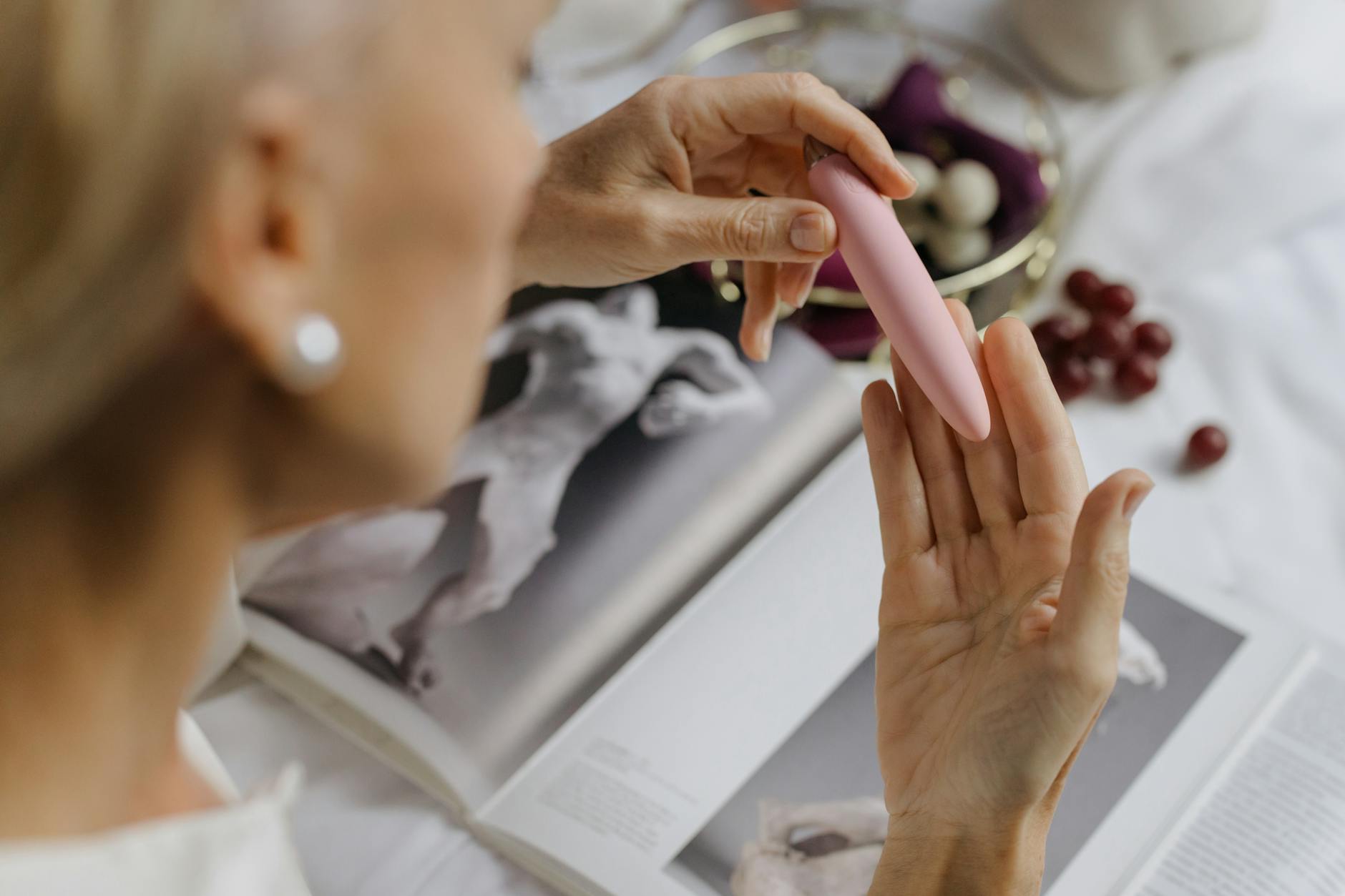
Pleasure is not the same as healing, and that's where most advice gets it wrong
I've worked with clients rebuilding their intimate lives after sexual trauma for over two decades. The most common misconception I hear is this one: "If I can have an orgasm again, I'm healed." It's not true. Orgasms are useful. They're part of the picture. But they're not the goal when you're starting from trauma.
The real goal is this: reclaiming your body as your own. Feeling safe in it again. Being able to say yes when you want to and no when you don't, without your nervous system hijacking the decision.
Lemon vibrators and other clitoral vibrators can help with that reclamation process. But only if you use them the right way, at the right pace, and with the right expectations.
Why clitoral vibrators feel different when you're healing
When trauma happens, the body remembers. Your nervous system learns that intimacy equals threat. Touch becomes unpredictable. Even consensual, gentle touch can trigger a shutdown response that's completely involuntary. It's not a choice, and it's not your fault.
Here's where lemon sexual toys and other clitoral vibrators come in. They offer something that partnered touch often doesn't in early healing: total control. You set the pace. You set the intensity. You can stop at any moment without negotiation or explanation. That autonomy is massive.
Clitoral vibrators also work differently than partnered touch. They provide consistent, predictable stimulation. The vibration pattern doesn't change based on your partner's mood or energy. There's no performance pressure, no judgment, no watching and waiting for someone's reaction. It's just sensation, and you're in charge of it.
Starting small, and why "slow and steady" is actually the protocol
Most people approach vibrators like they're trying to win a race. Maximum intensity, straight out of the box. That's the opposite of what healing asks for.
When you're rebuilding confidence after trauma, starting small isn't cautious. It's strategic.
Here's my standard recommendation for someone in early recovery: Begin with your lemon vibrator on the lowest setting. Not for five minutes. For two minutes, maybe three. Not with the goal of orgasm. With the goal of noticing sensation without judgment.
That's it. That's the whole first week, or two weeks, or three weeks. Your nervous system needs time to learn that vibration equals safety, not threat. Rushing that learning process is how people retraumatize themselves without meaning to.
Grounding techniques that work alongside pleasure
One reason clitoral vibrators work so well for trauma recovery is that they pair beautifully with grounding techniques. Grounding keeps your brain in the present moment instead of drifting into memory or fear.
Here are the ones I recommend most:
The 5-4-3-2-1 method. Before and during vibrator use, notice five things you see, four things you can touch, three things you hear, two things you smell, one thing you taste. This anchors you in right now.
Hand anchoring. Place your non-dominant hand on your belly or chest. Feel it breathing. Feel your heartbeat. This gives your nervous system a second point of contact that feels grounding and safe.
The cold water trick. Keep a glass of cold water nearby. Between sessions, take a sip. The cold sensation is novel enough to interrupt intrusive thoughts without being startling.
Verbal anchoring. Say out loud, "This is my body. I'm safe. I'm in control." It sounds simple. It works. Your nervous system listens to what you tell it.
Use these before you use your lemon vibrator, during the first few sessions, or whenever you feel yourself slipping into fear or disconnection.
The emotional realities no one talks about
Here's what I need you to know: rebuilding pleasure after trauma is not linear. Some days your clitoral vibrator will feel amazing. Other days it will feel like nothing. Some days it will feel scary, even though you know rationally that it's safe.
That's normal. That's healing.
Your nervous system isn't a switch. It's a complex, adaptive system that's learned to protect you in the only way it knew how. Retraining it takes time, patience, and something that looks a lot like tenderness.
I also want to be direct about something: if using a vibrator triggers a flashback or panic, stop. That's not failure. That's information. Your body is telling you something needs to shift. Maybe you need more grounding. Maybe you need a different setting. Maybe you need to take a month off and try again later. All of these are okay.
Building a sustainable pleasure practice
Once your nervous system starts to recognize vibrator use as safe, you can expand. Not aggressively. Gradually.
After two to four weeks of low-intensity, short-duration use, you might try increasing the duration to five or ten minutes. Then, if that feels solid, experimenting with pattern or intensity. Then, if you're interested, working toward pleasure that builds to orgasm.
But here's the thing: not everyone needs to reach orgasm. Some people in recovery find that sensation and safety are enough. Some people find that their interest in orgasm returns. Some find it doesn't. All of these are valid outcomes.
The goal isn't to mimic what sex looked like before. The goal is to build something new that feels genuinely good to you, at your pace, with your boundaries intact.
When to bring a partner into this process
If you have a partner, you don't need to tell them immediately that you're using a lemon clitoral vibrator. Healing happens in your body first, in private. It's your practice.
But at some point, if you want partnered intimacy to return, that conversation matters. And it's different than the conversation you might have had before trauma. It's not, "Do you want to use a vibrator with me?" It's, "I'm rebuilding connection with my body. Here's what that looks like. Here's what I need from you while that happens."
A partner who's committed to your healing will listen to that without pushing for their own pleasure. They'll understand that your recovery isn't about them. If they can't do that, that's important information too.
For many people, reading about how to use your lemon vibrators alongside other healing practices like therapy, mindfulness, or somatic work creates the best outcomes. These aren't separate conversations. They're threads in the same tapestry of reclamation.
The most important rule
Your body is not broken. Trauma changes the nervous system, but it doesn't break the capacity for pleasure. It just rewires it temporarily. Clitoral vibrators, including lemon sexual toys designed for targeted stimulation, can help you rewire it back. But only if you're kind to yourself in the process.
There's no timeline for this. There's no "normal" pace. Your healing happens at your pace, with your boundaries, on your schedule. If that takes months or years, that's not slow. That's thorough. That's sustainable. That's actually rebuilding something real.
FAQ: Questions people ask when healing matters more than performance
Can I use a lemon clitoral vibrator if I'm having flashbacks during intimacy?
Yes, but with caution. Grounding first. Start with your vibrator only when you're feeling stable. If flashbacks continue, working with a trauma-informed therapist alongside self-pleasure is important. The vibrator is a tool for healing, not a replacement for professional support.
How do I know if I'm using my vibrator as avoidance versus genuine healing?
Avoidance usually feels numbing. Healing feels tender, sometimes uncomfortable, but with small moments of safety or relief. If you're using your vibrator to dissociate or run from feelings, pause. Grounding and processing with a therapist matters more than orgasm.
Should I use my lemon vibrator alone or with a partner when I'm rebuilding after trauma?
Start alone. Absolutely alone. Solo exploration builds confidence and autonomy first. Partner exploration can come later, if you want it, once you've reclaimed the experience as something that belongs to you.
What if I never want to use a vibrator, even during healing?
Then don't. Healing doesn't require vibrators or any specific tool. Some people rebuild pleasure through touch, breathwork, mindfulness, or partnered intimacy. Your path is valid whether it includes lemon adult toys or not.
How long does it usually take to feel comfortable with a vibrator again?
Three weeks to three months is common, but some people take longer, and some reconnect faster. There's no right timeline. Consistency and patience matter more than speed.
Can therapy and vibrator use happen at the same time?
Yes, ideally. Let your therapist know you're exploring this. A trauma-informed provider can help you integrate vibrator use with deeper nervous system work. They complement each other beautifully.
Reclaiming your body after trauma is an act of defiance. It says, "What happened to me is not all of me." Using a lemon vibrator thoughtfully, patiently, and on your terms is part of that reclamation. You deserve that reclamation. Your body deserves to feel good again. When you're ready, clitoral vibrators can help you get there. Just go slow, trust yourself, and reach out for support when you need it. If healing feels overwhelming, contact a trauma-informed therapist or counselor who specializes in sexual recovery.