Let's name the problem first
Your partner finishes. You don't. Now what. You're left managing someone else's timeline while your own body is still asking for something. Over time, this creates a quiet resentment that no amount of reassurance can fix because the core issue isn't emotional. It's physical. You need more time, and you're not getting it.
Here's what I see in couples therapy: people assume the fix is asking their partner to slow down or last longer. That's fair. But it puts all the pressure on them and frames their body as the problem. There's a better angle.
Lemon vibrators shift the entire dynamic. Instead of waiting for your partner's body to cooperate, you take control of your own pleasure. This isn't about replacing penetration or rejecting partnership. It's about making sure you actually finish.
Why this matters more than you think
When one person regularly reaches orgasm and the other doesn't, the person who doesn't starts avoiding sex altogether. Not because they don't want connection, but because they've learned that sex means their pleasure gets postponed indefinitely. That's not a small thing. Over months or years, it erodes desire, creates distance, and turns sex into a performance you're failing at rather than something you both enjoy.
Using a lemon clitoral vibrator during partnered sex isn't a workaround for a broken dynamic. It's evidence that you're willing to prioritize your own satisfaction, which paradoxically makes most partners more attracted to you, not less. When you're not resentful about being left behind, the entire experience changes.
The logistics: where to start
First, the conversation happens before clothes come off. Not in the middle of sex. Not as a request after you've already been denied. Before. "I want to use my vibrator during sex because I want to come with you or after you, depending on what feels good. This isn't about you not being enough. It's about me knowing I'll actually get there."
Most partners respond well to directness like that. You're not criticizing their body or their rhythm. You're solving a practical problem.
Second, choose your moment to experiment. Don't add the vibrator during a time when you're already feeling rushed or when your partner is already stressed. Pick a session where you both have space to pay attention to what's actually happening.
How to use lemon vibrators during penetration
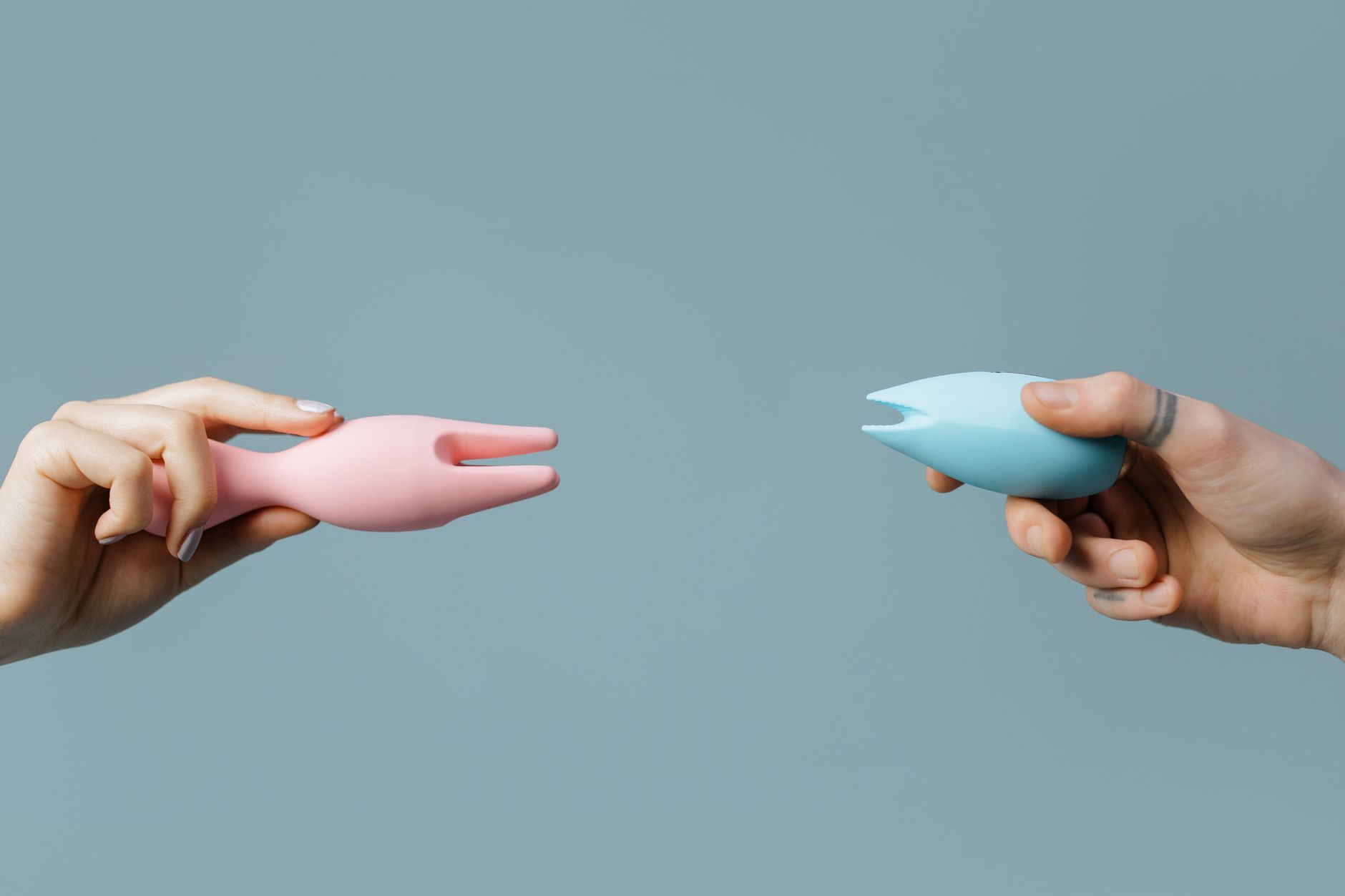
Clitoral suction toys like the Lemon work beautifully here because they don't require direct friction that interferes with penetration. They're designed to stimulate without creating the kind of pressure that would distract you or make positioning awkward.
Start with your partner inside you. You're on top, or lying on your side, or whatever position already works for you both. Then introduce the vibrator to your clitoris at a low setting. Not intensity level 5. Start at level 1 or 2. You're not trying to catapult toward orgasm. You're building sensation alongside what's already happening.
The timer doesn't matter. Your partner isn't racing the vibrator. They're simply continuing what they were doing, and you're now receiving direct stimulation on the part of your body that actually needs it. For many people, this is the difference between a flat experience and an orgasm.
Let your partner feel what's happening. If they can sense the vibrator, great. If not, that's fine too. The point isn't performance. It's arrival.
Building rhythm together
Some couples find that using a lemon vibrator during sex actually creates better synchronization, not less. When you're building toward orgasm with your own tool, you have more agency over your pace. You can speed up, slow down, breathe, adjust. Your partner watches this and often naturally finds a rhythm that works alongside it rather than against it.
If your partner tends to finish quickly, the vibrator gives them something to focus on that isn't just their own sensations. Watching you use it, feeling it against their body, hearing your breathing change. That often actually extends their stamina because they're engaged with you differently.
The conversation afterward matters too. "That worked. I came faster. I want to do that again." or "The angle was weird. Let's try it differently next time." These aren't criticisms of your partner. They're data about your body.
When to use the vibrator (timing strategies)
Some people use it the entire time. Some use it just at the end, once their partner is already inside. Some use it for warmup before penetration even starts. There's no right answer.
If your partner struggles with lasting long, you might use the vibrator during foreplay while they recover, then you're ready to go again when they are. If you need longer to warm up than they do, use it while they're still getting ready, so you're both at the same activation level when penetration starts. The vibrator becomes your equalizer.
One practical note: water-based lube is your friend here. It helps the vibrator glide smoothly and doesn't degrade silicone toys. You're already managing multiple sensations. Don't add friction that needs fixing.
The emotional piece (because it matters)
Using a lemon vibrator during partnered sex can feel vulnerable at first, especially if you've spent years managing disappointment quietly. Your partner might worry they're being replaced. You might worry you're admitting the partnership "isn't enough."
Neither of those things is true. A vibrator is a tool. A really good one that happens to work with your body's actual wiring. Using it doesn't mean your partner failed. It means you're both smart enough to solve a real problem instead of pretending it doesn't exist.
I've worked with hundreds of couples where this shift happened. The person who wasn't finishing suddenly is. The partner who felt like they were failing suddenly understands they were never the problem. The sex becomes something you both look forward to instead of something that creates quiet resentment.
That's what changes. Not the relationship. Just the honesty in it.
Troubleshooting the common snags
If the vibrator feels distracting rather than helpful, you might be using too high an intensity. Start lower. Give yourself time to adjust.
If your partner feels self-conscious watching, remember that self-consciousness fades once they see you actually finish. The shame isn't sustainable once pleasure becomes real.
If positioning is awkward, experiment. You on top gives you the best angle for controlling the vibrator. Side-by-side works if you're both touching yourselves. Standing against a wall, kneeling, sitting. There's no single right position. Find yours.
If you're worried about battery dying mid-session, charge the vibrator beforehand. Most lemon clitoral vibrators hold charge for 1-2 hours of use.
Why this actually strengthens your partnership
When you stop expecting your partner's body to do something it's not naturally equipped to do, you stop resenting them for failing at an impossible task. When you take responsibility for your own pleasure, your partner gets to stop carrying the weight of your satisfaction.
That's not distance. That's clarity. And most couples find that clarity is where real intimacy starts.
Using a lemon vibrator during partnered sex isn't plan B. It's a smarter plan A. You get to finish. Your partner gets to stop performing. You both get to actually enjoy sex instead of managing it.
People also ask
Will using a vibrator during sex make my partner feel replaced or insecure?
Most partners actually feel relieved. They've often sensed that you weren't finishing and felt responsible for it. When you introduce a tool that solves the problem, they're freed from an impossible expectation. If your partner does feel insecure initially, that's worth a conversation. But the security comes from knowing you're both prioritizing pleasure, not from pretending a problem doesn't exist.
How do I bring this up without insulting my partner's stamina or body?
Skip the blame. Say: "I want to come during partnered sex, and I know I need direct clitoral stimulation to get there. I want to use my vibrator with you." That's not criticism. It's information about your body. Most people respond well to straightforward honesty about what their body needs.
Can I use any lemon vibrator, or do I need a specific type for partnered sex?
Clitoral suction vibrators work best because they're less bulky than traditional wand vibrators and don't create the same kind of friction that interferes with penetration. The Lemon is specifically designed for this kind of use. But any vibrator you already own can work. Experiment with angles and positions to find what fits your bodies.
What if my partner wants to use the vibrator on me instead of me using it?
That's great. Let them. The point is that your clitoris gets stimulated during partnered sex. Whether you're holding the vibrator or they are doesn't matter. Though you might find you have better control of pressure and positioning if you're the one directing it.
Does using a vibrator during sex mean we need to do it every time?
No. Some sessions with the vibrator, some without. Some people use it every time they want to come, some use it occasionally when they need it. There's no rule. Do what actually works for both of you.
How do I know if my partner is uncomfortable but just not saying it?
Ask. Not during sex, but afterward. "How did that feel for you?" Most discomfort comes from anxiety that fades once you've done it once. Some comes from logistics that can be fixed with positioning. Some comes from deeper insecurity that needs an actual conversation. But you won't know unless you ask.
The bigger picture
Most people assume that lasting longer during sex is a solo problem. Man lasts too long or not long enough. Woman takes forever. These are framed as individual failures rather than mathematical mismatches.
Lemon vibrators reframe the entire equation. They acknowledge that your bodies might have different rhythms, and that's not a failure. It's information. Once you have that information, you can actually solve the problem instead of resenting each other for not fitting together naturally.
That shift, from resentment to problem-solving, is where most couples find that sex gets better. Not because the attraction changed. Because the honesty did.