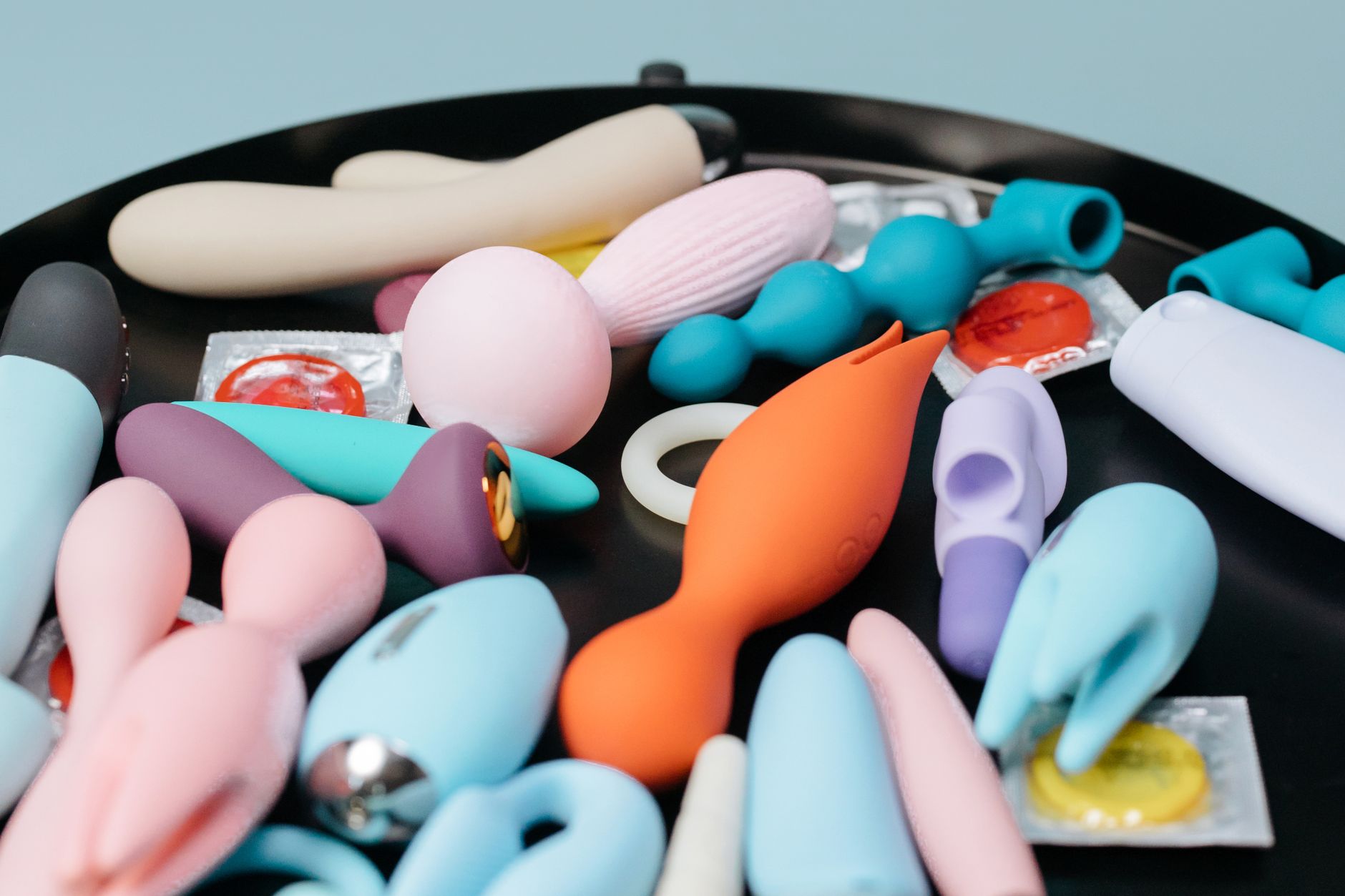
Here's what nobody tells you about new relationships and pleasure
The earliest months are when you build the foundation for how you'll talk about desire forever. Most couples wait months or even years to bring toys into the conversation, assuming it's too early or might seem "weird." What actually happens: you create an invisible wall where pleasure tools stay hidden, and then introducing them later feels like an admission or a problem.
I've worked with hundreds of couples, and the ones who brought clitoral vibrators like the Lemon Clit Vibrator into the conversation early reported three things consistently: less shame, more mutual exploration, and sex that felt genuinely collaborative instead of performative.
The nervousness you're feeling isn't a sign you shouldn't do this. It's a sign you're about to build something real.
Why the timing actually matters
There's a window in early dating where you're both already being vulnerable. You're sharing stories, learning each other's histories, building intimacy. That's the moment to normalize the fact that pleasure tools exist and that you use them.
Wait until you've been together a year, and suddenly it becomes a bigger deal. It starts to feel loaded. Did they miss something? Is the relationship not enough? Those narratives slip in because you've spent months NOT talking about it.
The sweet spot is anywhere from weeks three to three months in, right when you're past the initial awkwardness but haven't yet calcified into "this is how we do things." You're both still in exploration mode. The conversation just becomes part of the normal reveal.
The conversation that actually works
Forget sexy. Forget the bedroom. This conversation lives best over coffee or a walk, somewhere neutral where you're not already physically intimate.
Here's the frame that changes everything:
"I want to tell you something I think is important. I've used toys for myself for a while, and I really value my own pleasure. I think that's something we could have fun exploring together if you're interested. No pressure at all, just wanted you to know."
That's it. You've told him three things: you have agency over your own body, pleasure is important to you, and you're inviting him in. You haven't made it about him or what he's missing. You've made it about you, which is the truth.
Listen to what comes back. Is he curious? Hesitant? Relieved? The response tells you a lot about how he holds space for your needs.
What happens if he seems uncertain
Uncertainty is normal. He might worry he's not enough, or he might have grown up in a culture where toys felt taboo. Don't shame that. Instead, give him information.
"I'm still very attracted to you. Using a vibrator is about learning what my body likes, not about finding someone better. It actually helps me know myself better, which makes sex with you better." That's the clinical truth, and it's also the reassuring truth.
If he stays stuck on "but I want to satisfy you," that's usually about his idea of satisfaction, not yours. Gently separate those: "I appreciate that. And I can satisfy myself in ways that are hard for a partner. That's not a failure. That's just biology."
Don't debate. Just state it and move forward.
The actual first time using toys together
Don't make it a performance. Don't schedule it like a big event. Let it happen naturally, which usually means: you're already intimate, things are building, and you mention it.
"I have something I want to try if you're up for it." Pull out a lemon clitoral vibrator. Show him how it works. Use it. Let him see that it's not weird. It's just part of your body and what feels good.
Here's what changes everything: let him watch. Don't hide it. Let him see your face, hear your breath, feel included in the pleasure. That's the moment the shame evaporates. He's not being replaced. He's witnessing something you're sharing.
Building the collaborative part
Once he's seen you use it and it didn't end the world, the next step is his participation. This might mean he holds it while you direct him. Or he uses it on you while you guide the angle and speed. Or you both use it together with your hands.
The key is taking turns being in control. If you're always directing, it becomes instructional. If he's always controlling, you lose the thread of what actually feels good. Rotate.
During sex, lemon vibrators work best when he can keep moving while you maintain stimulation. You're not competing. You're adding to the same experience.
Common fears and what's actually true
"He'll think I'm not satisfied with him." He might initially. That's about his insecurity, not your reality. Over time, watching your own pleasure expand usually makes partners feel more secure, not less, because they're not carrying the weight of being your only source of pleasure.
"It will kill the mood." Only if you treat it like an interruption. If you introduce it as part of the flow, it doesn't. The mood shifts because something new is happening, not because the mood is dead.
"He'll be weirded out." Some partners will. That usually says something about how they were raised around bodies and sex, and that's worth knowing early.
"I should hide my own pleasure so he feels secure." This is the opposite of building a real relationship. If you do this, you're training him to ignore your needs and training yourself to hide them. Neither of you wins.
What to actually say if he pushes back
If he says something like "I don't need help," respond with: "This isn't about needing help. It's about what my body enjoys. I wouldn't expect you to give up pleasure things you like because I was there."
If he says "it feels impersonal," you can say: "I get that. We can figure out how to make it feel connected. Maybe I guide your hand while you hold it. Or we use it while you're inside me. We get to decide what works."
If he refuses entirely or makes you feel ashamed for wanting this, that's information. A partner who can't hold space for your pleasure when you ask directly probably won't get better at it over time.
The longer conversation about pleasure
Introducing a lemon clitoral vibrator early also opens the door to talking about what else you both like. What feels good? What have you always wanted to try? What makes you nervous?
These conversations, happening now, become the blueprint for how you communicate about intimacy forever. You're building a culture where pleasure is discussed, not assumed. Where you both get to want things. Where toys are just tools, not symbols of failure.
Moving forward
After you've used lemon vibrators together a few times, it stops being a big thing. It just becomes part of your toolkit. You reach for it the same way you'd reach for lube. It's normalized. The nervousness dissolves.
But that normalization only happens if you start the conversation now, when the relationship is still flexible and new. Give yourself and your partner the gift of not having to suddenly renegotiate intimacy a year from now.
Your pleasure matters. Your exploration matters. And a partner worth keeping will want both of those things to be true.
People also ask
How do I bring up toys without sounding like I'm criticizing his performance?
Frame it as an addition, not a replacement. "I want to explore more ways to feel good together" is different from "you're not doing it right." The first is collaborative. The second is a critique. One builds connection. One creates defensiveness. Also remember: your orgasm isn't his job. Your pleasure is shared, but the responsibility for your body's response lives with you.
Is it normal to feel anxious about introducing a vibrator to a new relationship?
Completely normal. You're potentially exposing something you've kept private, and you're vulnerable to judgment. The anxiety often dissolves once you see that he either receives it well or shows you who he is early. Either way, you get clarity. That clarity is worth the nervousness.
Should I ask his permission before using one together for the first time?
You've already had the conversation, so he knows it's coming. You don't need to ask permission to enjoy your own body. What you do need is to check in about comfort level and pace. "I want to explore this together. What would feel good for you?" is different from asking permission. One respects his agency. One treats pleasure like it requires his approval.
What if he wants to use the vibrator on himself?
That's great. Pleasure isn't gendered, and clitoral vibrators can work for partners of any gender. Many people find that exploring together actually helps partners understand their own bodies better. If he's curious, let him explore.
How do I know if we're ready for this conversation?
You're ready when you can talk about attraction and desire without it feeling performative. Usually that's around the point where you're already spending nights together and sex has become part of your routine. You don't need to wait for perfect timing. Good enough timing, with honesty, works better.
What if I introduce toys and he leaves?
Then you learned he wasn't the right partner for you. That's information worth having now instead of after two years together when you realize he can't hold space for your needs. The right person will stay curious.
The bottom line
Nervousness about introducing lemon clitoral vibrators to a new relationship usually means you care about the relationship and you care about your pleasure. Both are true. Neither has to cancel the other out. The conversation that feels vulnerable now becomes the foundation for real intimacy later. Have it. You're worth it.