The hesitation is normal. So is wanting this.
You like someone new. Things are getting sexual. And somewhere in your mental catalog of things you enjoy, vibrators live. Maybe you've used lemon vibrators before, or you're thinking about it. Either way, the thought of introducing it to a new partner feels like stepping off a cliff.
Here's what I hear from patients constantly: "What if they think I don't want them?" "What if it feels like rejection?" "What if they think I'm weird?" These aren't actually questions about vibrators. They're questions about safety, acceptance, and whether your pleasure matters in this relationship.
So let's separate those two things right now. Your pleasure does matter. And introducing clitoral vibrators to a partner is a conversation, not a confession.
Why the hesitation feels so big
There's a specific moment in new relationships where sexuality starts to happen. It's vulnerable. You're still building trust. And the cultural messaging around vibrators is still weirdly loaded. Some of it says toys mean the relationship isn't enough. Some of it says women who want toys are too demanding. A lot of it is just outdated noise.
What I actually see clinically is the opposite. Couples who can talk about pleasure openly, who can ask for what they want without shame, build stronger long-term connections. The ability to say "this feels good" or "I'd like to try this" isn't a crack in the foundation. It's the foundation.
The hesitation you're feeling is real. But it's usually less about the vibrator and more about not knowing how your new partner will respond to you asking for something.
The right time to mention it matters more than you think
Timing isn't about finding the "perfect moment." It's about avoiding the wrong ones.
Don't mention it: during sex, during an orgasm, when either of you is tired or stressed, as a solution to a problem ("we should use a vibrator because things aren't working"), or via text.
Do mention it: when you're both calm and clothed, in a conversation that's already about pleasure or your bodies, when you have time to actually talk without rushing, and when you're feeling secure in the relationship.
The difference between "Hey, I've been thinking about bringing a vibrator into things" and "We need to try this because your dick isn't doing it for me" is basically everything. The first is collaborative. The second is a diagnosis.
How to actually bring it up
Here's what works. Not because it's manipulative or clever. Because it's honest.
"I want to ask you something, and I'm a little nervous about it, so I'm just going to say it. I really enjoy vibrators, and I'd like to use one with you at some point if you're open to it. I'm not saying anything's missing. I just know what feels good for my body, and I wanted to be straight with you about it."
That sentence does three things. It shows you're vulnerable (which builds trust). It's clear about what you want (no mystery, no mixed messages). And it frames it as collaborative ("if you're open to it" means their answer matters).
Some partners will say yes immediately. Some will need time. Some will have questions. All of that is fine. The point is you've said it. The secret is out.
What actually happens next
If they say yes, the conversation shifts to logistics. Which lemon vibrator? When? How? These are the easy questions.
If they hesitate, your job is to get curious, not defensive. "What's making you hesitant?" Most of the time it's one of three things: they're worried it means they're not enough (address this directly: you like them, vibrators are about sensation, not substitution). They've never used one and feel weird about it (totally normal, and you can go slow). Or they have some hangup about sexuality that's worth knowing about early (also worth knowing about).
If they say no, that's information. You get to decide what to do with it. Some people are firm boundaries about toys. Some are just uncomfortable initially and shift over time. You get to know which, and then you get to decide if that works for you.
Why lemon clitoral vibrators actually make this easier
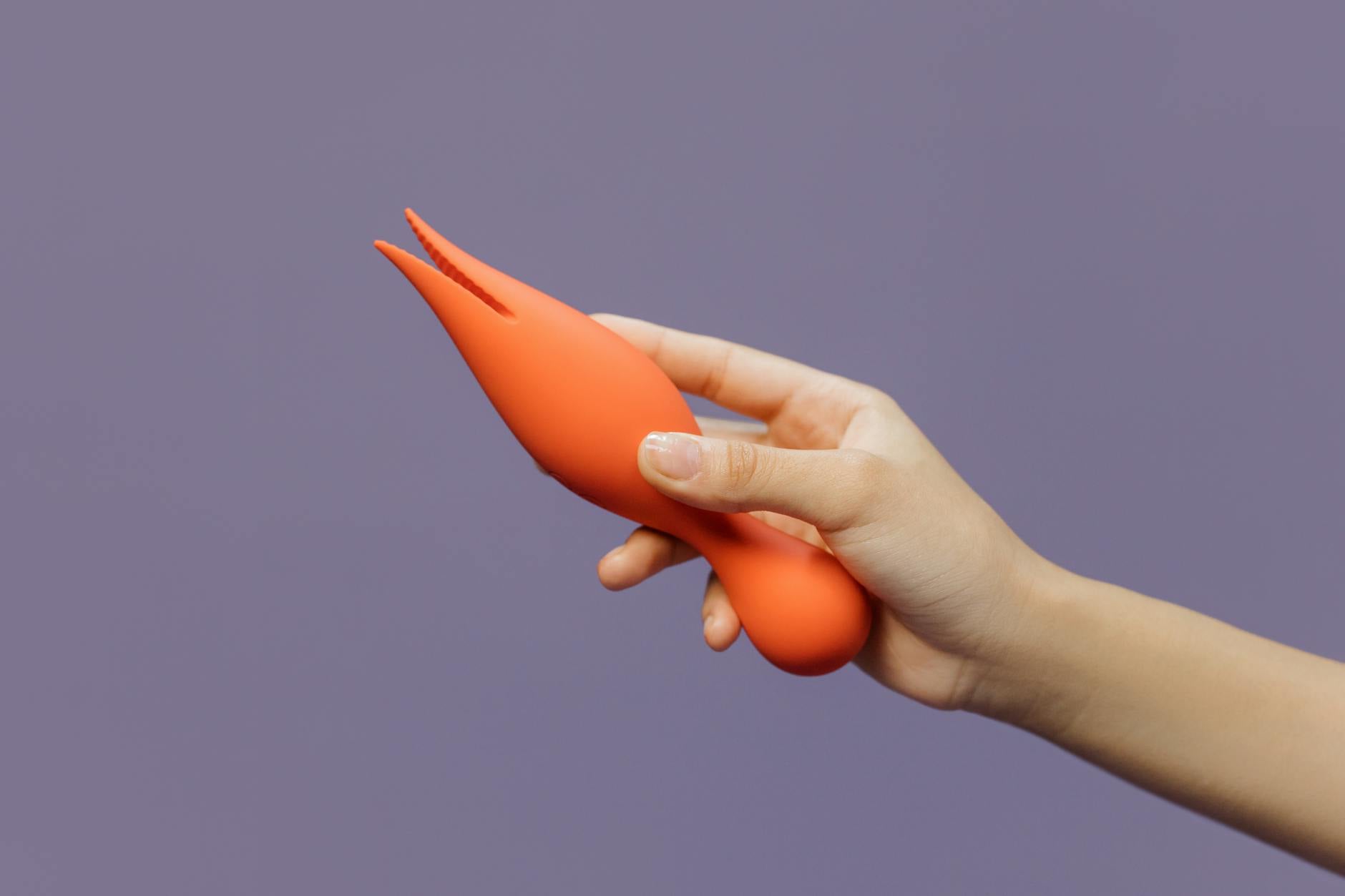
Here's a practical thing that helps: the design of a tool matters. Lemon vibrators, especially options like the Lem, don't look threatening or clinical. They look almost playful. They're not massive. They don't require explanation.
A partner who might feel weird about a large intimidating vibrator sometimes feels completely different when they see something elegant and approachable. That's not magic. It's just psychology. The less "medical" or "extreme" something looks, the less it triggers defensive feelings.
The suction-style design of many lemon vibrators also means they don't require the same kind of coordination or explanation that a traditional vibrator might. It's intuitive. That reduces the awkwardness factor significantly.
If things go sideways
Listen. Sometimes you introduce vibrators to a partner and it becomes a whole thing. They get defensive. They make it about their ego. They use it against you later ("You needed that because I wasn't enough").
That's not a vibrator problem. That's a relationship problem that the vibrator just made visible.
In early relationships, you're gathering information. How does this person handle your needs? How do they respond when they feel insecure? Do they move toward you or away? Can they separate your pleasure from their ego? These are foundational questions, and sexuality is often where they first show up.
If a partner can't handle you asking for something that brings you pleasure, that's worth paying attention to. It doesn't mean the relationship is over. It means you have work to do around communication and reassurance. Or it means this isn't the right person. But you get to know that before you're five years in.
The permission part (the part that actually matters)
Here's what I see change most when people learn to talk about pleasure: they start giving themselves permission. Permission to ask. Permission to want things. Permission to not pretend that one way of being touched is the only way that works.
Introducing vibrators to a new partner forces you to practice that permission out loud. You have to say it. You can't just hint or hope. And once you say it once, you can say it again. Not just about vibrators. About anything.
A partner who gets defensive about lemon vibrators is probably also going to be defensive about other needs. A partner who listens, who asks questions, who maybe even gets curious about why you like it. That's a partner worth staying with.
What if you introduce it and they love it
This happens more than you'd think. A new partner hears "I like vibrators" and thinks, "Oh good, more information about how to please you." Suddenly it's not a threat. It's a tool in the toolkit. And honestly, that's when sex gets fun.
Many couples find that once they talk about one thing openly, other conversations get easier. You learn to say what you want. They learn to listen without personalizing. You both get better at pleasure because you're actually talking about it instead of guessing.
Lemon vibrators don't fix relationships. But they can clarify them. If a partner can hear "I want to use this" and respond with curiosity or enthusiasm instead of defensiveness, that tells you something really good about who they are.
FAQ: The questions I hear most
What if my new partner thinks I'm experienced or "too sexual" for wanting vibrators?
Wanting pleasure has nothing to do with partner count or sexual history. You can be new to sex and know what feels good. You can be with one person your whole life and want tools that intensify sensation. These aren't connected. If a partner conflates "you know what you want" with "you've slept with everyone," that's a red flag about their insecurity, not about you.
Is it weird to want to use lemon vibrators when my new partner is watching?
Not weird at all. In fact, that's often easier because you're not putting pressure on them to do anything. You're just showing them what you like. Many partners find that genuinely hot. What you're doing is educational and vulnerable at once.
What if we've already started sleeping together and I haven't mentioned vibrators yet?
It's not too late. "Hey, I realize I haven't mentioned this, but I really enjoy vibrators and I'd like to incorporate one into things if you're interested." That's the whole conversation. You don't need to explain why it didn't come up before. Just bring it forward now.
Should I let them choose which vibrator to introduce?
Not necessarily. You know your body. If you already have a lemon clitoral vibrator you love, bring that one. If you're buying new, you could ask their input, but don't defer the choice entirely to them. This is about your pleasure. They can have opinions, but you get to decide.
What if they want to use it on me immediately and I'm not ready?
Say so. "I want to use it myself first and show you how" is a completely valid boundary. Some people need to feel in control of their pleasure initially. That's normal. Go at your pace, not theirs.
Can I use lemon vibrators if my partner is uncomfortable with them long-term?
Yes. Absolutely. Your body is yours. If they're genuinely opposed and you genuinely want it, you get to decide what to do with that incompatibility. Some couples compromise (solo play is okay, partnered play isn't). Some people decide it matters enough to be a deal-breaker. Both are valid. You just get to choose consciously.
The takeaway
Bringing vibrators into a new relationship isn't about courage, though it takes some. It's about clarity. You're saying "here's what I like." You're giving your partner information. You're learning whether they can hear you and respect what you need.
That conversation is the real tool. The lemon vibrator is just the vehicle.
If you're ready to have this conversation and you want support thinking through the details, I'm here to help. And if you want to explore what works for your body first, solo, before you bring it into a relationship? That's the smartest move there is.