Here's the thing nobody tells you about hormonal birth control
The pill, patch, ring, or shot doesn't just prevent pregnancy. It rewires your hormonal landscape in ways that ripple through your entire sexual experience. For some people, that means zero change. For others, it means lubrication dries up noticeably. Both are completely normal. And both have straightforward solutions.
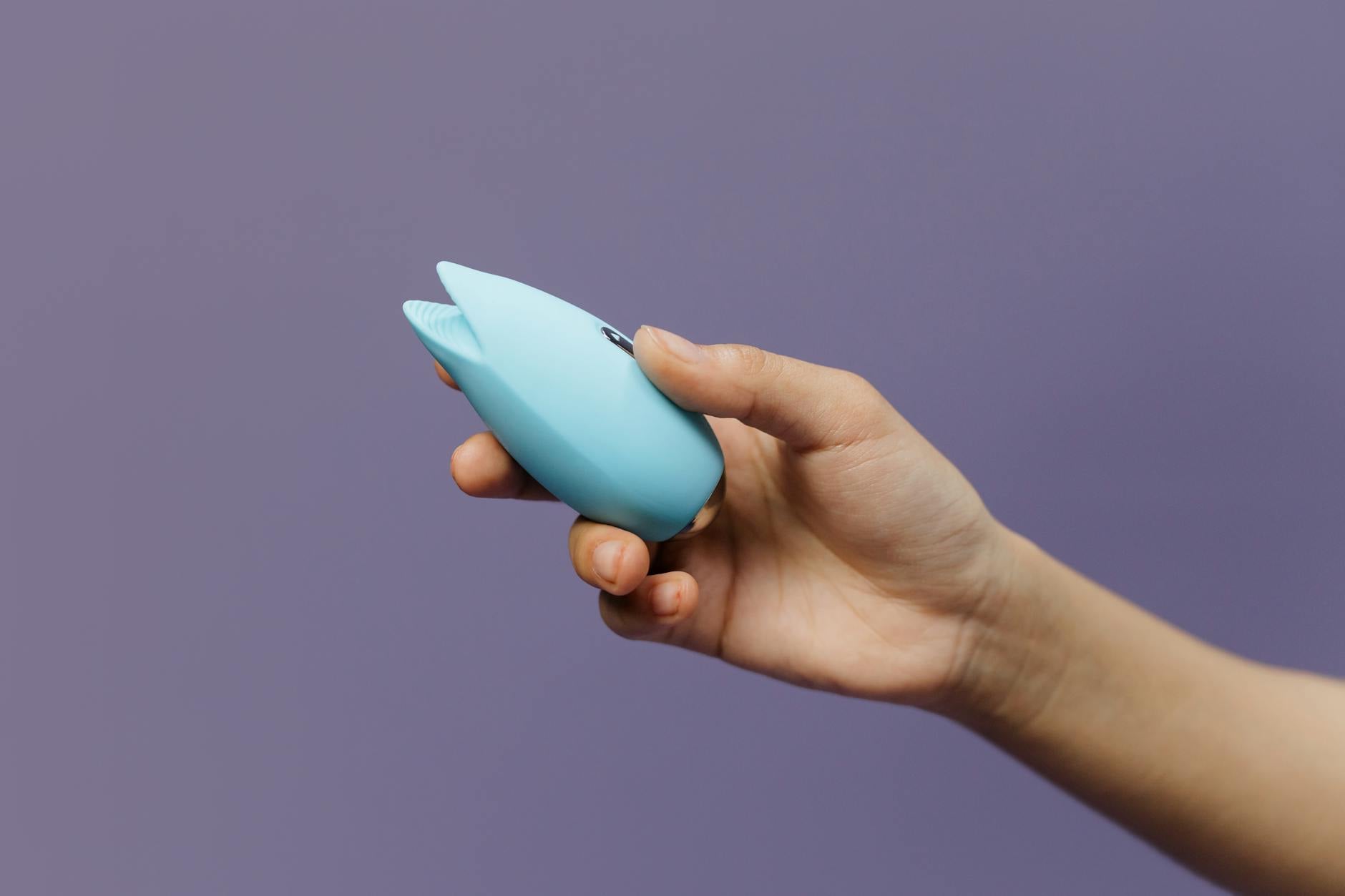
If you've started hormonal birth control and suddenly notice your body feels different during sex or solo play, you're not broken. Your hormones are just operating under new instructions. A lemon clitoral vibrator paired with the right approach can feel just as good. You might just need to make one or two small adjustments to how you use it.
Why hormonal birth control changes lubrication
Hormonal contraceptives work by suppressing your natural hormonal cycle. The pill delivers a steady dose of synthetic estrogen and progestin. The patch and ring do the same thing, just through different routes into your body. Your ovaries essentially pause. Your natural estrogen and testosterone production drops.
Here's where lubrication comes in. Estrogen influences the thickness and amount of cervical mucus your body produces. It also affects blood flow to your genital tissues and how quickly arousal pools moisture in the vaginal canal. When synthetic hormones replace your natural ones, the vaginal environment shifts. For many people on hormonal contraceptives, this means less lubrication or lubrication that's thinner and less slippery than before.
The good news is this doesn't affect your capacity for pleasure. It's a material condition, not a desire condition. You're still aroused. Your clitoris still responds to stimulation. You just might need to add a lubricant to the picture, which is genuinely fine.
The immediate adjustment: switching to external lubrication
If you've been using a lemon vibrator with zero additional lubrication and suddenly things feel uncomfortable or less slick, adding lube is the first and most effective move.
Water-based lubricants are your safest bet. They feel natural, they're easy to wash off, they don't degrade silicone (the material your lemon clitoral vibrator is made from), and they're compatible with all barrier methods if you're using those alongside your birth control. Brands like Uberlube, Sliquid, or even plain drugstore options like Astroglide work fine.
Apply lube directly to the head of your vibrator and to your clitoris before you start. Don't be shy about the amount. You're replicating what your body would naturally produce, so a dime-sized dollop is a decent starting point. You can always reapply mid-session if things dry out.
If water-based lube feels too thin or too sticky for your taste, silicone-based lubricants feel richer and last longer on the skin. The catch is they'll damage a silicone vibrator over time, so you'd need to switch to a non-silicone toy. For most people, water-based is the path of least resistance.
How birth control type matters for lubrication
Not all hormonal contraceptives affect lubrication equally. The estrogen dose matters. The type of progestin matters. How long you've been on the method matters too.
The combined pill (estrogen plus progestin) and the patch tend to have a gentler effect on lubrication because the estrogen dose is usually reasonable. The mini-pill (progestin-only), the hormonal IUD (which releases progestin directly into the uterus), and the implant (steady progestin release) can affect lubrication more noticeably because there's no balancing estrogen.
If you've just started hormonal birth control and lubrication feels thinner, give it three months. Your body adjusts. Lubrication sometimes bounces back once your body settles into the new hormone pattern. If it doesn't improve by month three, that's when you know this is your new baseline and you can make a permanent shift to always using lube with your lemon vibrator.
Adjusting your arousal window
Beyond lubrication, hormonal birth control can shift how quickly arousal builds. Some people find they need longer warm-up time. Others find arousal is snappier. This is individual and sometimes surprising.
If you've noticed it takes longer to get physically excited since starting birth control, extend your warm-up routine. Use your lemon clitoral vibrator on lower intensity settings for the first 10-15 minutes. Lean on external stimulation (the vibrator itself) rather than relying on mental arousal alone. External devices bypass the psychological loop and work directly on the nerve endings, which means they can bootstrap arousal even if your body feels slower to respond.
Start at patterns 1-2 on your vibrator instead of jumping to intensity 5. Let the suction and vibration do the work. Arousal will follow.
When lubrication isn't the real issue
Here's what I see in my practice: people assume dry tissues mean they need more lube, when sometimes it's actually about clitoral sensitivity. Birth control can change sensation clarity. The clitoris might feel less responsive or require slightly different stimulation angles.
If you're using lube and things still feel muted, experiment with the pressure and angle of your lemon vibrator. Some people find that repositioning slightly, so the head of the vibrator aligns more directly with the clitoral glans (the visible tip), restores sensation. Others find that using the vibrator with a back-and-forth rocking motion instead of holding it still adds dynamic input that the nervous system registers more clearly.
You might also need to explore patterns you hadn't used before. The Lem vibrator cycles through multiple rhythms. If pattern 3 felt perfect before birth control, it's worth trying patterns 2, 4, and 5 again. Your sensitivity map has shifted, and what felt boring might suddenly be the sweet spot.
The conversation with your prescriber
If lubrication changes are dramatic or uncomfortable, or if they're paired with other shifts (like loss of desire, pain, or numbness), mention it to your doctor. This isn't a complaint to suffer through. It's useful information.
Your prescriber might suggest switching to a different birth control formulation with a different estrogen dose or a different progestin. They might recommend adding a supplemental topical estrogen cream to the vaginal area, which increases local lubrication without significantly raising systemic hormone exposure. Or they might simply confirm that this is expected and that lube is the straightforward solution.
Don't wait months hoping it resolves on its own if it's affecting your sex life. A 10-minute conversation with your doctor can shift everything.
Making lube part of your routine
Once you've found a lube that works, the goal is to stop thinking of it as a workaround and start thinking of it as part of your pleasure toolkit. Keep a bottle next to your bed or in your nightstand. Use it every time you use your lemon vibrator, even if you feel slightly lubricated naturally. The habit removes friction from the process (pun intended).
If you're using your vibrator with a partner, lube also makes the whole experience feel more relaxed. There's less pressure to produce moisture yourself, which means you can actually stay present instead of spinning in a anxiety loop about whether you're "wet enough."
Your body is responding predictably to a pharmaceutical intervention. That's not a flaw. That's biology. And lube is the simplest, most evidence-backed solution.
The bigger picture
Birth control transforms your body in ways both obvious and quiet. Lubrication shifts are one of those quiet ones. They're also one of the most fixable. A lemon clitoral vibrator is actually an ideal toy during this adjustment because the suction mechanism doesn't depend on friction the way traditional vibrators do. You get stimulation and sensation regardless of lubrication level. Add external lube, adjust your warm-up, and you're right back to where you started.
Your pleasure matters. And it's worth protecting and tweaking as your body changes. That's not shallow. That's self-respect.