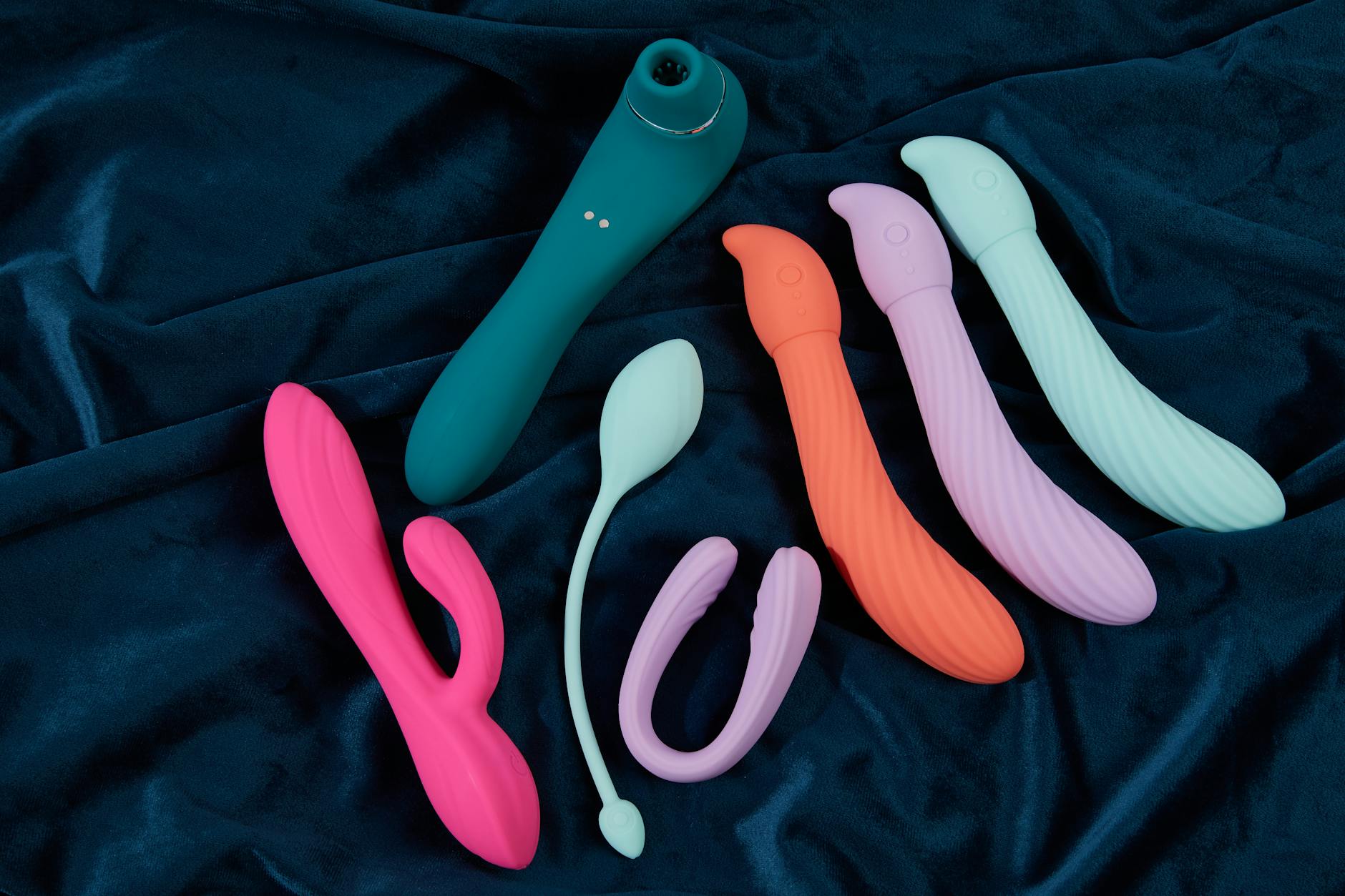
Here's the thing about medication and sex
Your antidepressant is working. Your blood pressure med is protecting your heart. Your allergy pill lets you breathe. And simultaneously, your desire has evaporated like it never existed. This isn't you failing. This is your chemistry being caught between two competing needs, and your body prioritizing survival over pleasure.
The gap between knowing this intellectually and feeling it emotionally is massive. You're not broken. Your brain is actually functioning the way the drug was designed to make it function. But knowing that doesn't fix the frustration.
Here's what I tell people in my practice: a lemon vibrator works with medication-dampened arousal, not against it. It's not asking your body to do something it can't right now. It's working with what's actually available.
What medications actually do to desire
Three separate pathways get disrupted, depending on which drug you're taking.
SSRIs and serotonin reuptake inhibitors slow the firing of neurons involved in arousal. They flatten the urgency. You might still orgasm, but getting there feels like pushing a boulder uphill, and the pleasure itself feels muted. About 40 to 60 percent of people on SSRIs report some form of sexual side effect. That's not a small number.
Beta-blockers and blood pressure meds reduce blood flow to the genitals. Arousal depends on vasocongestion. Blood doesn't pool the way it normally would. Tissue doesn't swell. The clitoris stays smaller and less responsive. No blood flow, no natural lubrication.
Antihistamines are sneaky. They dry everything out. Mucous membranes, sinuses, and yes, vaginal tissue. Dryness kills arousal because friction becomes uncomfortable instead of pleasurable.
Add hormonal birth control into the mix, and you've got layered suppression: lower testosterone, lower arousal baseline, sometimes pain during sex. The medication stack is real.
Why suction works differently when desire is flat
This is where lemon vibrators, including suction-based models like the Lem, offer something traditional vibrators don't. When arousal is dampened, you need stimulation that doesn't depend on the building excitement most toys assume you already have.
Suction works by creating rhythmic negative pressure. It's not waiting for blood flow to build up. It's actively stimulating the nerve clusters around the clitoris without requiring the tissue to be engorged. You don't need to be "turned on" first for suction to feel genuinely good. That's the key difference.
Traditional vibrators rely on the arousal process being mostly intact. They feel better as excitement builds. But when your medication has flattened that ramp, you're starting from a lower baseline. Suction doesn't care. It stimulates regardless.
The secondary effect is psychological. When you've been on an SSRI for six months and your desire has gone dark, trying to "get turned on" manually feels futile. Lemon clitoral vibrators offer permission to skip that step. You don't have to convince yourself. You don't have to build arousal that isn't coming. You use the tool, and pleasure follows.
The practical protocol that works
I recommend three adjustments when medication is suppressing desire.
First, time it strategically. If you're on an SSRI, ask your doctor whether taking it at night instead of morning shifts when the side effects peak. Some people find that planning intimacy 12 to 14 hours after dosing, rather than 4 to 6 hours after, makes a difference. Same with antihistamines. You're not changing the drug. You're navigating when its effect is strongest.
Second, accept that warm-up looks different. You might need 20 to 30 minutes of non-sexual touching, conversation, or gentle activity before moving to the lemon clitoral vibrator. This isn't extra time wasted. This is your nervous system transitioning into parasympathetic mode. Once you're there, the suction-based stimulation hits differently. You're prepared at a neurological level, even if your body hasn't caught up in the way it used to.
Third, use the lem vibrator at lower intensity patterns first. Start at patterns one and two for two to three minutes. Let your nervous system register the sensation as pleasure rather than just stimulus. Medication flattens sensation, so you might notice you need sustained, repetitive input rather than variation. That's fine. The toy adapts to you.
When to actually consider switching medications
Some side effects are negotiable. Sexual dysfunction from psychiatric medication is sometimes worth pushing back on. If you've been on the same antidepressant for two years and desire is still absent, it's worth a conversation with your prescriber.
Options exist. You might switch to a different SSRI with a lower sexual side effect profile. Bupropion, for example, actually increases dopamine and often preserves or enhances libido. Some people do well adding a secondary medication to counteract the sexual side effects. Buspirone, for instance, is sometimes prescribed alongside SSRIs specifically to address arousal dampening.
This conversation only works if you actually have it. Your doctor isn't assuming your sex life matters because it's not their job to assume. But if you tell them it matters to you, they have options. You might need to try three medications before finding the right fit. That's normal and worth the iteration.
Working with a partner through medication changes
If you're in a relationship, the dynamic shifts. Your partner might assume that flat desire means you're not attracted to them anymore. They're not thinking clearly about causation. This is a conversation to have directly.
"My medication is affecting my arousal. This is a chemical thing, not a us thing. I'm going to use a tool like a lemon vibrator because it works differently than our usual approach. I want you to understand that this is me problem-solving, not me avoiding you."
Some couples benefit from the lemon vibrator being part of partnered sex. Others find it works better solo first. There's no rule. The point is to communicate what you need instead of letting resentment build on both sides.
If your partner has resistance, that's a separate conversation about what sex means to them and whether they're willing to adapt as your body's chemistry changes. That's relationship work, not just sex work. Both matter.
When medication-dampened arousal is actually depression
One more thing: if you've been on an antidepressant for six months, the dose is stable, and desire still hasn't returned, sometimes that's not a medication side effect. Sometimes that's residual depression. The medication isn't fully working, or you've hit a depressive episode on top of the original condition.
There's a difference between "my medication is affecting my libido" and "I'm still depressed, and my libido is one symptom of that." The first one often responds to the adjustments I mentioned. The second one might need your prescriber to reassess your whole treatment plan.
You won't know unless you talk to them. And honestly, that conversation is also worth having with a therapist separately. Sometimes desire comes back when you address the root condition more comprehensively. Sometimes it doesn't, and you learn to work with what's available.
The reality: pleasure doesn't have to look like it used to
Medication changes your body. It also changes what works. A lemon clitoral vibrator isn't a workaround to force your old arousal pattern back. It's a tool designed for the body you have right now. That's not settling. That's adapting.
Many people find that once they stop fighting their medication's effects and start working with what's actually available, pleasure becomes less fraught. You're not waiting for arousal that isn't coming. You're using stimulation that bypasses that barrier. The sensation is real. The orgasm is real. The outcome is pleasure, even if the path got redirected.
Your medication is worth taking. Your desire, even in its altered form, is also worth honoring. Both can be true.
People also ask
Can you orgasm on antidepressants with a lemon vibrator?
Yes, though the experience might feel different. Some people find orgasms are quieter, more internal, or take longer to build. Others report that once they stop fighting the flattened arousal and work with the lemon clitoral vibrator on its own terms, orgasms become easier because there's no mental resistance left. The suction mechanism of toys like the Lem works independently of arousal level, so you're not dependent on your usual excitement response. Patience and sustained stimulation matter more than intensity.
How long do I need to use a lemon vibrator for an orgasm if my medication has dampened sensation?
That's deeply individual. Some people reach orgasm in five to seven minutes. Others take 15 to 20. Medication affects sensation speed, so longer timeframes are completely normal and not a sign of dysfunction. Start with a 15-minute window and adjust from there. Mental state matters too. If you're anxious about how long it's taking, that tension often extends the process. Using the Lem in a relaxed environment with no timeline helps.
Should I stop taking my medication if it's affecting my sex drive?
No. Your psychiatric medication, blood pressure drug, or allergy pill is managing something important for your health. Stopping it to restore libido creates bigger problems. Work with your doctor on alternatives, timing adjustments, or additions that preserve the medication's benefits while reducing sexual side effects. That conversation is worth having, but stopping cold is not the answer.
Will a lemon adult toy help if I'm on birth control and antidepressants at the same time?
Yes, though you're dealing with a stacked effect. Hormonal birth control lowers testosterone, and SSRIs flatten arousal. You're managing two separate suppressors. A lemon clitoral vibrator can work with both because it's not dependent on either hormone or serotonin. The suction-based approach is mechanical. Start with longer warm-up time and lower intensity patterns, and give yourself grace. Your body is managing a lot.
Does the Lem or other suction lemon vibrators work better than traditional vibrators for medication-affected arousal?
For many people, yes. Suction stimulates the clitoris without requiring the blood flow response that traditional vibrators assume you'll have. That said, individual responses vary. Some people prefer the directness of a standard vibrator even with dampened arousal. Try both if possible, and trust what actually works for your body rather than what the theory suggests should work.
Can I use lubricant with a lemon clitoral vibrator if my medication has dried things out?
Absolutely. If you're on antihistamines or your medication has dried you out, water-based lubricant makes a big difference. Apply it directly to the toy before use. Some people find that a small amount of lubricant actually improves the suction sensation because there's a better seal. Silicone lube can damage some toys, so check your specific model first. Water-based is the safer choice across the board.