Chronic pain doesn't mean the end of pleasure
Let's be real. When you're managing chronic pain, the last thing anyone wants to hear is that pleasure is still on the table. It feels tone-deaf, even naive. But here's what I've learned working with clients navigating long-term physical limitations: pleasure and pain can coexist, and designing your intimate life around what your body can actually do right now is radical self-care, not compromise.
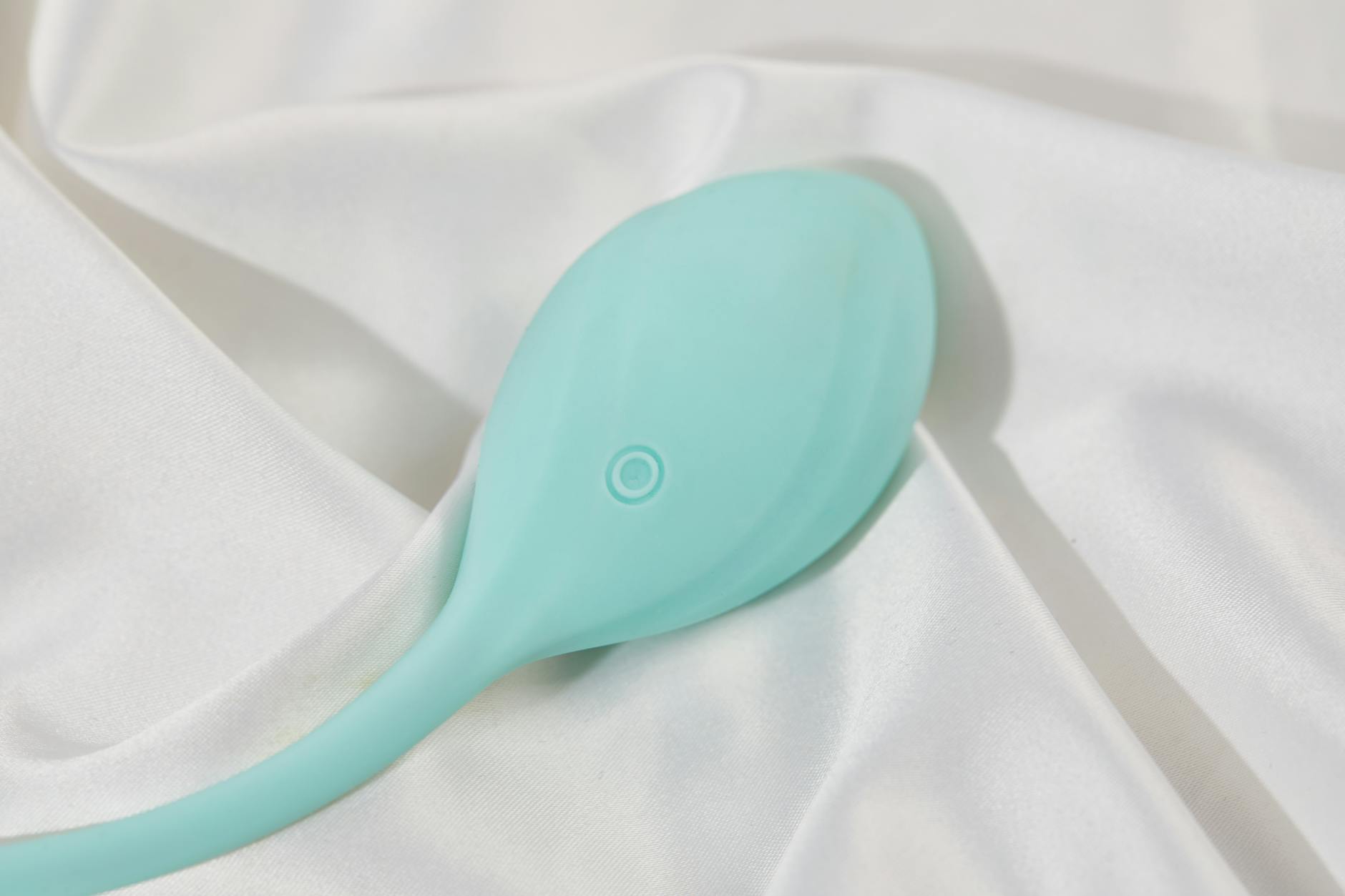
Chronic pain changes three things: your energy budget, your pain tolerance (sometimes lower, sometimes differently distributed), and what kinds of touch feel good versus what feels like torture. A lemon vibrator, specifically its suction-based design, can work brilliantly for bodies dealing with chronic conditions because it removes friction, reduces the need for manual positioning, and delivers sensation without demanding reciprocal effort.
The catch? You have to be intentional about how you use it.
Why suction works better than vibration for chronic pain
When you have chronic pain, friction can aggravate. Direct pressure can trigger flares. Vibration at certain frequencies can feel overstimulating or even painful. Suction is different.
With a lemon clitoral vibrator, you're creating gentle pressure and release at the vulva instead of applying force against tissue. This means less strain on the pelvic floor (which tends to be tight and protective when you're in pain), less direct friction on sensitive tissue, and the ability to find intensity without discomfort.
That said, it's not automatic. A lemon vibrator on pattern 5 at full intensity can still be too much if your nervous system is already on alert from chronic pain. The trick is starting low and thinking about sensation mapping rather than chasing orgasm.
Energy management and the pleasure schedule
Chronic pain comes with a hidden tax: fatigue. Even on days when pain is mild, your body has spent energy managing it. That leaves less for everything else, including sex.
If this sounds like you, stop trying to have sex spontaneously. Pick a specific time when your energy is highest (usually morning or early afternoon for most people) and your pain is most managed. Seventy percent of my clients with fibromyalgia or chronic fatigue report better outcomes when they intentionally schedule intimacy rather than hoping for the moment.
Use the lemon vibrator when you're already lying down, ideally at the start of foreplay rather than the end. The goal is sensation, not performance. You're allowed to explore for 10 minutes and stop. You're allowed to get partway and then rest.
Positioning that doesn't aggravate your pain
This is the real game-changer, and it's different for everyone depending on where your pain lives.
If you have lower back pain, lying on your back with knees bent feels better than lying flat. A pillow under your lower back changes everything. If you have hip pain, lying on your side with the lemon vibrator angled from the front works without stressing the joint. If you have neck or shoulder pain, you don't need to be in any specific position except one where your neck is supported.
Here's the beautiful part: the lemon vibrator is small and hands-free once you're settled. You're not maneuvering a wand, not straining to reach, not holding anything heavy. You can use it one-handed while your other hand rests. You can use it while your partner is next to you without them having to do anything.
The nervous system piece nobody talks about
Chronic pain rewires your nervous system. Your body lives in a state of alert, scanning for threat. When the nervous system is dysregulated, pleasure pathways shut down. Literally. Your brain can't process sensation as pleasure when it's busy cataloguing pain.
This means that sometimes the barrier to pleasure isn't your body's capacity. It's your nervous system's ability to relax enough to feel anything good.
Before you use a lemon vibrator, spend five minutes doing something your nervous system recognizes as safe. Deep breathing, a warm shower, your partner's hand on your shoulder, a weighted blanket. Let your body recognize that this moment is different from the rest of your day.
Then start with the lemon vibrator on the lowest setting and let sensation build slowly. If you feel your body tense, stop. Breathe. Try again when you're ready. This isn't laziness. This is how pleasure works in a chronic pain body.
Managing sensory overload and overstimulation
Here's something that surprises people: sometimes chronic pain bodies are more sensitive, not less. Not in a good way. They're hypersensitive. Touch that would feel fine to someone else registers as too much.
If you find that even pattern 1 on the lemon vibrator feels intense or overwhelming, you have options. Some of my clients use the device over their underwear for the first few minutes to dampen intensity. Others use it intermittently: 30 seconds on, 30 seconds off, letting the nervous system integrate before building sensation again.
You could also try using the lemon vibrator during partnered sex in a way that feels less like the main event and more like part of the landscape. Your partner enters, you use the lemon vibrator at a low setting, and the combination of sensations feels more diffuse and manageable than intensity alone.
The goal is never to white-knuckle through discomfort for the sake of completion.
When pain flares and you need to pause
Pain flares happen. Sometimes in the middle of intimacy.
This is where communication with a partner becomes crucial, and also where self-compassion becomes mandatory. If you're mid-experience and pain flares, stop. Use the lemon vibrator on low frequency, use it as a sensory anchor without expecting pleasure, or set it aside entirely.
Your body isn't failing you. Your body is protecting you. Honoring that is more intimate than pushing through.
Reframing what pleasure looks like
One of the biggest shifts I see in clients managing chronic pain is this: they stop chasing the orgasms they used to have and start exploring sensation they're actually feeling now.
Sometimes pleasure with a lemon vibrator looks like gentle tingling without climax. Sometimes it's just your body remembering that sensation is possible. Sometimes it's connection with a partner in a position that doesn't hurt. All of those are valid. All of those matter.
Lemon vibrators specifically support this because suction creates a different kind of sensation than you might be used to. It's not the vibration pattern that matters as much as the ability to explore what your current body finds genuinely good.
FAQ: Chronic Pain and Lemon Vibrators
How long should a session be if you have chronic pain?
There's no rule. Some people manage 5 minutes. Some manage 30. The point is that it should feel restorative, not draining. If you're exhausted afterward, you've pushed too hard. The next time, dial it back.
Can you use a lemon vibrator if you have pelvic floor dysfunction?
Yes, but carefully. Pelvic floor dysfunction is incredibly common alongside chronic pain. Many patterns on the lemon vibrator can feel triggering rather than soothing. Try the lowest pattern and focus on relaxing the pelvic floor entirely rather than clenching. Some people find that the suction action actually helps release pelvic tension better than other devices because it's gentle and rhythmic.
What if sensation feels numb or far away?
This is nerve desensitization, often a feature of chronic pain conditions or medications used to manage them. The lemon vibrator won't magically fix this, but it can help. Start with the suction-only function (no vibration) and let your nervous system relearn sensation. Sensation can return, but it takes patience and consistency.
Should you use the lemon vibrator alone or with a partner?
Both work. Alone gives you privacy and full control, which many people with chronic pain prefer because they're not managing anyone else's expectations or needs. With a partner, the conversation becomes more intimate ("Here's how I want to be touched right now") and the partner feels more connected to your pleasure rather than sidelined by it.
Does the lemon vibrator help with pain-related sexual dysfunction?
Yes, often. Pain changes how arousal works, how the body responds, and sometimes whether desire shows up at all. A lemon vibrator removes some of the "work" of sex while still delivering sensation. Many of my clients with chronic pain report that using a lemon clitoral vibrator helped them remember that pleasure was still part of their life, which shifted their whole relationship to desire.
How do you talk to a partner about needing to adapt your sex life because of chronic pain?
Honestly, from a place of "here's what I need right now" rather than apology. That might sound like: "I want to be intimate with you, and I also need to be realistic about my body's limits. Here are positions that don't hurt. Here's how I want to use this device. Here's what helps me relax." You're not asking permission. You're inviting them into the redesigned version of your intimacy.
Your body deserves pleasure, exactly as it is
Chronic pain is real and it changes things. But your capacity for sensation, your worth as a sexual being, your right to explore pleasure on your own terms hasn't gone anywhere. A lemon vibrator is just a tool that makes the logistics simpler when your body has real constraints.
If you want to explore how pleasure can work differently, start slow, listen to what your body actually responds to, and let go of what you think it should feel like. That's not settling. That's wisdom.