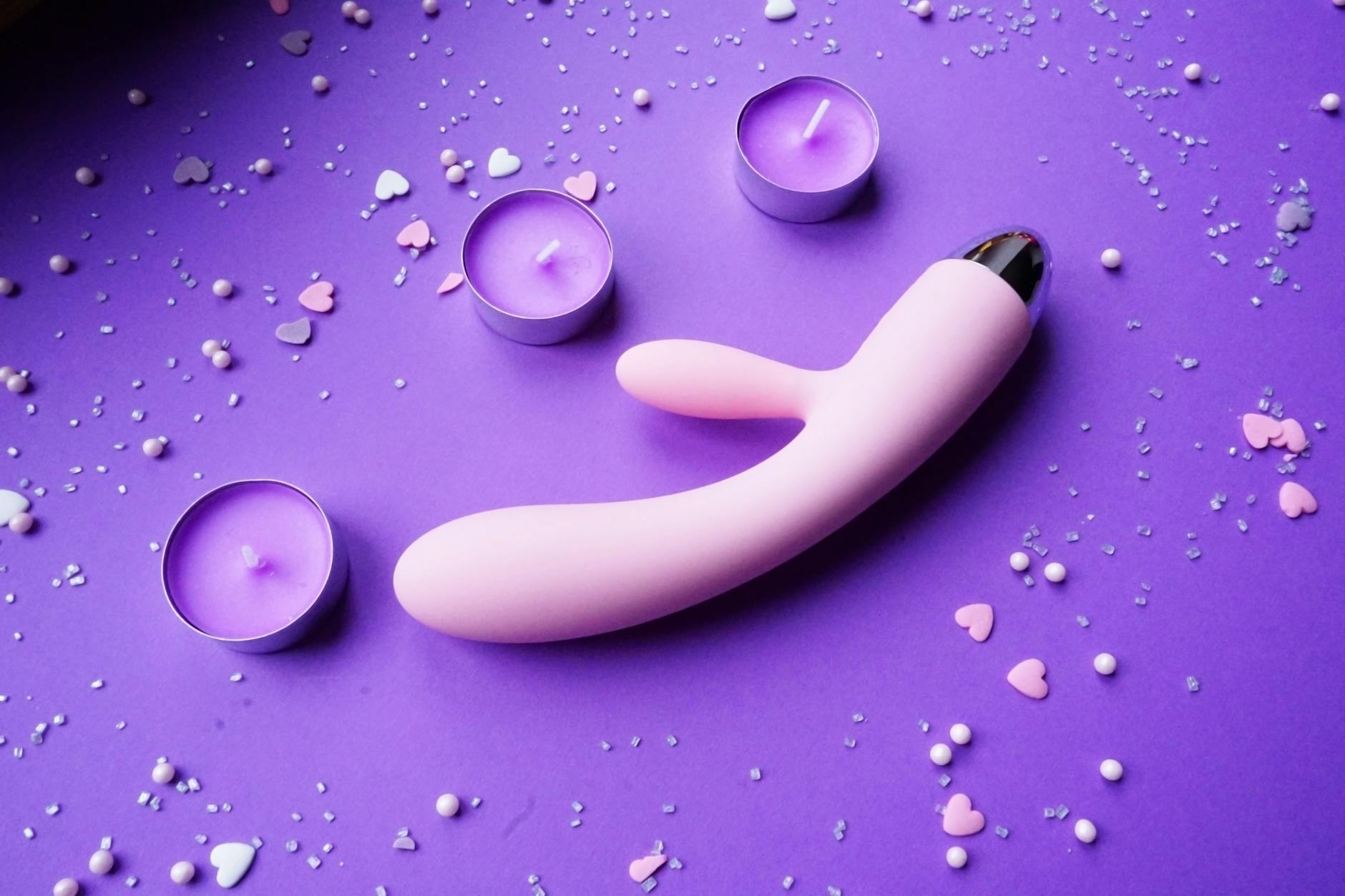
Let's be real about difficulty reaching orgasm
You've probably been told that orgasm is 90 percent mental. That if you'd just relax or think the right thoughts, your body would cooperate. And honestly? That framing has made things worse, not better. Because when orgasm doesn't happen, you end up blaming your mind instead of understanding what's actually going on in your nervous system.
Here's the thing: having trouble climaxing isn't a character flaw. It's a nervous system pattern. And patterns can be rewired. That's where a lemon clitoral vibrator comes in. The specific way suction stimulation works can actually reset your arousal circuitry in ways that traditional vibration alone sometimes can't.
Why traditional vibrators sometimes don't work when you struggle with orgasm
If you've tried regular vibrators and found them either too intense or oddly ineffective, you're not alone. Most clitoral vibrators rely on direct oscillation. That buzzing sensation travels through the tissue in a linear pattern. For many people, especially those with anorgasmia or delayed orgasm, that pattern can actually send mixed signals to the nervous system. The stimulus feels stimulating but doesn't quite translate into arousal escalation.
When you have difficulty reaching orgasm, your arousal system is often stuck in a holding pattern. The body starts the process, then something interrupts it. Stress, past trauma, hormonal fluctuations, relationship tension, or even just learned patterns of stopping short of climax can create this loop. A lemon vibrator works differently because suction creates a pressure wave rather than vibration. Your nervous system reads that as novelty. And novelty can actually jolt the system out of its habitual pattern.
The science here matters because it explains why what didn't work before might work now. You're not changing yourself. You're changing the input.
How suction stimulation resets your arousal pathway
When you use a lemon clitoral vibrator, the suction action pulls gently on the sensitive tissue of your clitoris. This creates rhythmic pressure that's fundamentally different from vibration. Research shows that varied stimulation patterns activate different neural pathways than repetitive ones. Your brain, which has been stuck in a "no, we don't do this" loop, suddenly gets unfamiliar input. That unfamiliarity is actually therapeutic.
Here's the practical part: suction feels less urgent than vibration. It's more of a drawing sensation, a rhythm that mimics what happens naturally during arousal escalation. For people whose nervous systems have learned to resist traditional vibration, this gentler approach can feel permissive rather than demanding. Your body can say yes instead of bracing for impact.
The other thing: a lemon vibrator maintains contact without requiring pressure from you. You don't have to hold it in place at a perfect angle. That removes one layer of performance anxiety. When you're struggling with orgasm, anything that lowers the mental load helps.
The setup that actually works
Three things before you even turn it on.
Privacy and time. You need at least 45 minutes with zero interruption risk. I'm not being dramatic here. When you have trouble reaching orgasm, your brain is primed to interrupt. A locked door, a silenced phone, and permission to stay in bed for as long as it takes removes that anticipatory tension.
Lubrication. Use a water-based lube even if you don't think you need it. The suction works better when there's a slight moisture layer on your skin. It creates a gentle seal rather than a sticky one. Lube also signals to your body that this is a pleasure session, not a task to be completed.
No goal beyond sensation. This is the hard part, so I'm saying it clearly: your only job is to notice what feels good. Not to reach orgasm. Not to prove anything. Just to feel. Your nervous system has been oriented around outcome. Reorienting it toward sensation takes intention.
Starting with the lemon vibrator on lower settings
Turn it on at pattern one or two. You're looking for a setting that feels like interest, not intensity. The suction should feel like a gentle pulling sensation, not urgent or demanding. If you find yourself tensing, you've gone too high.
Start by exploring the outer areas of your vulva. Not the clitoris directly yet. Let your nervous system get used to the sensation. You're creating a new pathway here, which means slow introduction matters more than you might think. Spend five to ten minutes just getting familiar with what suction feels like against different parts of your external genital tissue.
Many people with difficulty reaching orgasm have learned to skip the early arousal phase. They jump straight to trying to climax. That pattern is locked in at a neural level. By spending time on early-phase sensation, you're literally retraining your nervous system to remember what ramping up feels like.
Moving into more direct clitoral stimulation
After your nervous system has settled a bit, try positioning the lemon vibrator directly on your clitoral head. Keep the setting low. The sensation should feel pleasurable, not overwhelming. Suction toys work well for people with difficulty climaxing because they don't require the intense direct friction that can sometimes feel punishing to sensitive tissue.
What you're listening for: is your body responding? Are you noticing increased blood flow, warmth, maybe some deepening of breath? These are early arousal signs. Don't push toward the next stage. Just notice them. That noticing is the rewiring happening.
Many people find that after five to fifteen minutes of this steady, gentle suction, their arousal starts building in a way it hasn't before. Not because they're doing something different, but because their nervous system is finally getting a stimulus it recognizes as safe and pleasurable rather than demanding.
What to do if intensity is still the problem
If you find that even the lowest setting on your lemon clitoral vibrator feels too much, you have options. Use your hand as a buffer. Position the toy against your hand, then move your hand to control pressure and proximity. This gives your nervous system the ability to modulate input, which is huge for people with a history of difficulty reaching orgasm. You're not fighting the toy. You're directing it.
You can also use the suction intermittently. Turn it on, let it work for a minute or two, then pause. Turn it back on. This creates a rhythm that some nervous systems find easier to follow than constant stimulation. It's like your brain gets breaks to process.
Why patience is the actual technique
If you've struggled with orgasm for months or years, you're unlikely to rewire that pattern in one session. What you're doing is introducing a new input and letting your nervous system get curious about it. Some people feel a shift after three or four sessions. Others take longer. Both are normal.
The most important thing: don't let this become another performance goal. You're not trying to succeed at orgasm. You're noticing what pleasure feels like when you're not pushing toward a finish line. That reorientation, boring as it sounds, is actually the thing that shifts anorgasmia most reliably.
If after several weeks of regular exploration you're still not noticing any shift, that's useful information. It might mean something else is happening. Hormonal shifts, medication side effects, relationship tension, or past trauma can all underlie difficulty reaching orgasm. A lemon vibrator is a powerful tool, but it's not the only tool. Your doctor or a sex therapist can help identify what else might be at play.
The nervous system reset you're actually doing
When you use a lemon vibrator intentionally for anorgasmia, you're not just trying to stimulate your way to climax. You're teaching your nervous system that arousal is safe. That building pleasure is permissible. That your body can respond without rushing. That's the real work. The vibrator is the tool. The rewiring is the point.
Your nervous system learns through repetition and novelty combined. A lemon clitoral vibrator provides both. It's different enough from what you've tried before, and the suction sensation, when used consistently, creates a new neural pathway. That pathway doesn't require you to be perfect. It just requires you to show up.
You deserve an orgasm that feels earned, not wrestled into existence. A lemon vibrator, used with patience and intention, can help you get there.
People also ask
Can a lemon vibrator cause damage to sensitive clitoral tissue?
Not if you use it correctly. Suction toys are actually gentler than many people expect. The key is keeping the pressure low and not using the toy for extended periods without breaks. If you're experiencing pain rather than pleasure, stop and reassess. Pain is information that something isn't working for your body.
How long should I use a lemon clitoral vibrator in one session if I'm struggling with orgasm?
Start with fifteen to twenty minutes, then reassess. Some people find that longer sessions help because the arousal response takes time to build. Others find that shorter, more frequent sessions work better for resetting their nervous system. Listen to your body. If you're getting tired or frustrated, stop. Pleasure should feel alive, not like a chore.
Does using a lemon vibrator make it harder to orgasm without one?
Not inherently. A lemon clitoral vibrator is a tool for helping your nervous system find a new pathway. Once your body has experienced that pathway, it can access it without the toy. That said, some people find they prefer the sensation the vibrator creates, and that's fine too. Your pleasure doesn't have to look the way you think it should.
What if suction feels uncomfortable or weird at first?
That's completely normal. Suction is a novel sensation if you've only used traditional vibrators before. Your nervous system needs time to categorize it as pleasurable rather than strange. Most people find that after three or four exploratory sessions, the sensation starts feeling natural. Give it time before you decide it's not for you.
Is there a difference between a lemon vibrator and other clitoral suction toys?
Yes and no. The basic mechanism is similar, but design matters. A lemon vibrator is specifically engineered for clitoral stimulation, with a shape and seal that work well for the sensitive tissue of the clitoris. The suction pattern and intensity are calibrated for sustained pleasure rather than intense stimulation. If you're shopping for a tool to help with difficulty reaching orgasm, design quality matters more than brand name.
Should I be using lube with a lemon clitoral vibrator?
Yes. Water-based lube helps the suction seal work more effectively and makes the whole experience feel more comfortable. It also reduces friction and signals to your body that this is a pleasure session. Silicone-based lube can degrade silicone toys, so stick with water-based.
The path forward
Anorgasmia and difficulty reaching orgasm aren't permanent. Your nervous system is trainable. A lemon clitoral vibrator, combined with patience and the willingness to reorient around sensation rather than outcome, can help you find orgasm again. It won't happen overnight, but it will happen. Your body knows how. It just needs to remember.