Let's start with what shame actually does
Sexual shame isn't a feeling you can think your way out of. It's not something rational conversation fixes. Shame lives in your body first, your mind second. It's the tightness in your chest when you touch yourself. It's the voice that says "this is wrong" even though you're alone in your own bed. It's the way your nervous system shuts down arousal before your brain even registers what's happening.
I work with clients rebuilding after sexual shame all the time. The pattern is consistent. They say things like "I know logically that masturbation is fine, but my body won't cooperate," or "I want to feel pleasure, but something keeps stopping me." That something is nervous system conditioning. Your brain learned, early and often, that sexual pleasure wasn't safe. Now your body acts as if that's still true.
Where sexual shame actually comes from
Shame isn't always about explicit messages. Sometimes it's the silence around pleasure. Sometimes it's a parent's discomfort, a religious teaching, a partner's judgment, a culture that treats female pleasure as optional. Sometimes it's trauma, but not always. Sometimes it's just a decade of being told, in a thousand small ways, that your desire is inconvenient, shameful, or wrong.
The brain responds by doing what brains do when something feels unsafe. It cuts off access. Arousal drops. Orgasms become harder. Your body says no before your mind even asks the question.
This is why willpower doesn't work. You can't "positive think" your way through a nervous system that's been trained to protect you by shutting down pleasure. You need a different approach. You need something that bypasses the shame narrative and reconnects you to sensation itself.
Why suction changes the conversation
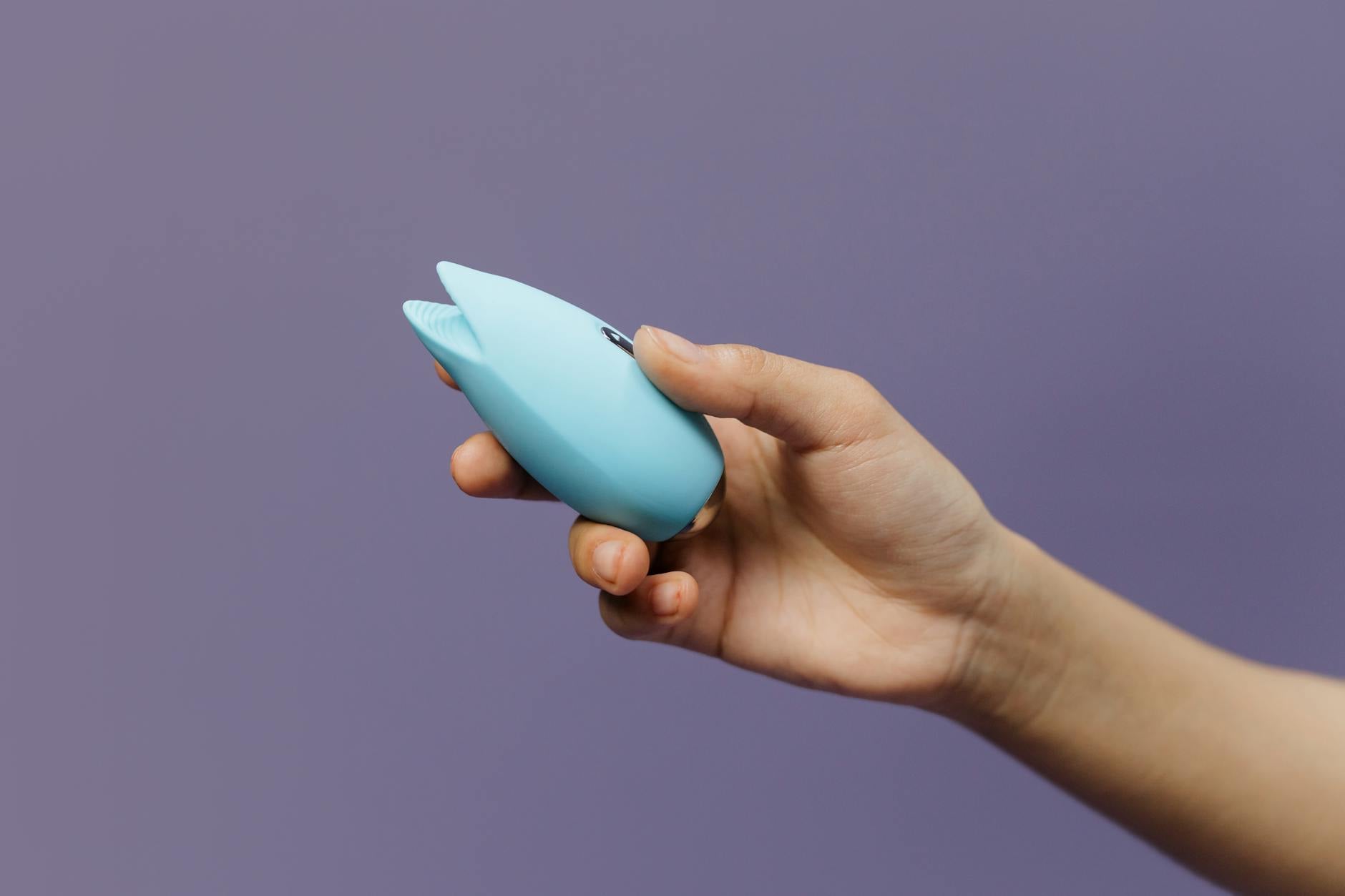
This is where lemon clitoral vibrators matter. Not because they're magic, but because they work differently than traditional vibrators.
Traditional vibrators require you to stay present with direct stimulation. They demand focus. If your nervous system is holding shame, that focus becomes interrogation. "Am I doing this right? Am I too loud? Is this weird? Why can't I just feel good?" The inner monologue becomes noise.
Suction vibrators like the lemon models work by creating a gentle seal and pulsing rhythmically. The sensation is less direct, more diffuse. It activates a different sensory pathway. Instead of sharp nerve stimulation, you get rhythmic pressure that your nervous system reads as safe. There's no "right way" to position it. There's less performance pressure.
For people rebuilding after shame, that difference is enormous. You're not trying to achieve something. You're just feeling sensation without judgment. Your only job is noticing.
The three things your nervous system needs to feel safe again
Recovering from sexual shame isn't about learning new techniques. It's about creating conditions where your nervous system can relax enough to let pleasure in.
First: absolute privacy and permission. Not the abstract kind. Actual privacy. The kind where you know nobody is coming home, nobody is listening, nobody is checking. Your nervous system can't relax when there's a threat of interruption or judgment. Lock the door. Turn off your phone. Give yourself that.
Second: no goal. This is the hardest one for people rebuilding. Your instinct is to make something happen. Orgasm. Pleasure. Wetness. Any external sign that you're "doing it right." Stop. Your job is to notice sensation without rating it. If you feel nothing, that's information. If you feel something small, that's progress. Orgasms aren't the metric here. Nervous system safety is.
Third: extreme slowness. Your brain learned shame at normal speed. Retraining it requires slowness that feels almost boring at first. Start with a lemon vibrator on the lowest setting. Spend 20 minutes just noticing. Pressure, warmth, movement. Nothing more. No orgasm hunting. Just data.
What rebuilding actually looks like week by week
The first week is usually nothing. You touch yourself with the vibrator and feel… not much. Maybe some numbness, maybe some anxiety, maybe just flatness. This is normal. Your nervous system has been protecting you by shutting down sensation. That shutdown doesn't lift in one session.
Week two often brings a shift. Small sensations start to register. A tingle. Warmth. Maybe a slight contraction. Nothing earth-shattering. Don't make it earth-shattering. Notice it and move on.
Week three is when some clients report orgasms, sometimes for the first time in years. Others don't. Both are fine. The point is that your nervous system is learning that pleasure is safe again. That takes time.
This is why I recommend people rebuilding after shame give themselves at least three weeks of consistent practice before they evaluate anything. Your body needs time to unlearn decades of conditioning. That's not pessimism. That's neurobiology.
The role of self-talk while you're rebuilding
Your internal monologue matters. Not because positive thinking is magic, but because it either amplifies shame or releases it.
Old script: "This should feel better. I'm doing something wrong. Why can't I just enjoy this?"
New script: "I'm noticing sensation. My nervous system is learning safety. This is enough."
The new script isn't cheerleading. It's accurate. You are learning safety. Your body is slowly understanding that pleasure is permissible. That takes time. There is no "wrong" in this process.
When shame creeps back in (and it will), your job is to notice the thought without believing it. "There's the shame narrative." Then return to the sensation. What are you actually feeling right now, in this moment?
When shame is mixed with trauma
If your sexual shame is tangled with trauma (coercion, assault, abuse), a lemon vibrator is a tool, not a cure. You need a therapist trained in trauma recovery alongside this. Some people need EMDR or somatic experiencing before they can rebuild pleasure safely.
That's not a limitation of lemon vibrators or any toy. It's a limitation of what any single tool can do. Trauma work is different. But within a trauma-informed therapy plan, many clients find that toys like the lemon models help their body feel more agency and choice, which is core to healing.
The conversation to have with yourself before you start
Before you buy a lemon clitoral vibrator or any tool, ask yourself: Am I doing this for me, or for someone else's idea of what I should be? Sexual shame thrives when you're performing for an internal audience of judgment. Real rebuilding starts when you're alone and making a choice for your own nervous system, not anyone else's.
If that feels impossible, that's information. Talk to a therapist first. Rebuilding after sexual shame is slow, and the pace is individual.
People also ask
How long does it take to rebuild pleasure after sexual shame?
There's no universal timeline. Some people feel a shift in two weeks. Others take months. The variable isn't your tool, it's the depth of the conditioning and your capacity to stay patient with yourself. I usually tell clients to give themselves at least 6-8 weeks of consistent practice before they expect significant changes. Faster than that is a bonus, not the baseline.
Can a lemon vibrator trigger shame if I'm already dealing with it?
Yes, sometimes. If using it brings up guilt or anxiety, that's your nervous system saying the situation doesn't feel safe yet. Stop. Step back. Maybe you need more privacy, more time, or more therapy before toys are the right tool. That's not failure. That's self-awareness.
Is it better to use a lemon vibrator alone or with a partner when rebuilding?
Alone, at first. You need to rebuild your internal relationship with pleasure before you add another person's presence into it. Once you've spent a few weeks reconnecting solo, introducing a partner can be positive. But the foundational work happens alone, where you control the entire environment.
What if I use a lemon vibrator but still feel nothing?
Nothing is information. It might mean you need more time. It might mean you need lower stimulation intensity. It might mean you need a therapist to work through the shame patterns first. Some people need all three. Your body will tell you what it needs if you listen without judgment.
How do lemon vibrators differ from regular vibrations for shame recovery?
Suction creates a different sensation than direct vibration. It feels less performance-oriented, more exploratory. For nervous systems that associate direct stimulation with pressure or judgment, suction can feel safer. But the tool matters less than the environment and the permission you give yourself. The best vibrator is the one that makes your nervous system feel secure.
Can I use lubricant with a lemon clitoral vibrator?
Yes. Some people find that lubrication helps them relax, especially if they've been avoiding that sensation. Water-based is safest with silicone toys. Use whatever supports your comfort and safety.
What comes next
Rebuilding after sexual shame is gradual work. You're rewiring your nervous system's relationship to pleasure. That doesn't happen in one session or even one month. It happens through consistent, patient practice. A tool like a lemon vibrator can help, but it's not the whole story.
The whole story is you, showing up for yourself, in privacy, with permission, and with radical patience. Your nervous system will heal. Your pleasure is worth the time it takes.
If you're working through shame around sexuality and want support beyond toy recommendations, reach out to a therapist who specializes in sexual health. And if you're ready to start reconnecting with your own body, give yourself permission to go slowly. Your body will thank you.