
Here's the thing about grief and pleasure
Loss doesn't just sit in your heart. It lives in your nervous system. After trauma or significant grief, your body enters a protective state. Pleasure feels risky. Touch feels invasive. The thought of wanting anything for yourself can feel like a betrayal of the person you've lost or a sign you're not allowed to heal yet.
This is physiologically accurate, not a character flaw. Your body is doing exactly what it's supposed to do when it's afraid.
What I've seen again and again in my practice is that people in the early or middle stages of rebuilding after loss need a specific kind of tool. Not something that demands intensity or performance. Not something that triggers shame or obligation. Something that says: your body is still yours, pleasure is still possible, and you get to rebuild it at your own pace.
Why lemon vibrators fit the rebuilding phase
Most traditional vibrators are designed for arousal that's already present. They assume you know what you want and that sensation will layer on top of existing desire. After trauma or grief, desire is often completely offline. What you need instead is a gentle re-entry tool that doesn't push, that doesn't require you to "perform" arousal.
The Lem and similar lemon clitoral vibrators work differently. Here's why they're particularly suited to healing:
The suction design feels less like invasion, more like attention. Suction mimics the gentle pressure of a partner's mouth without the vulnerability of another person being there. You're in complete control of the intensity. You can start at pattern 1, barely perceptible, and stop whenever you want. No negotiation. No explanation needed.
The sensation is localized without being intense. After trauma, intensity can feel triggering. A light suction vibrator concentrates stimulation on a small, specific area in a way that feels contained and manageable rather than overwhelming.
It reframes touch as something that belongs to you. Grief often comes with a loss of agency. Rebuilding pleasure is partly about reclaiming your body as something you get to have opinions about. Using a tool you control, at your pace, in privacy, is a form of reclamation.
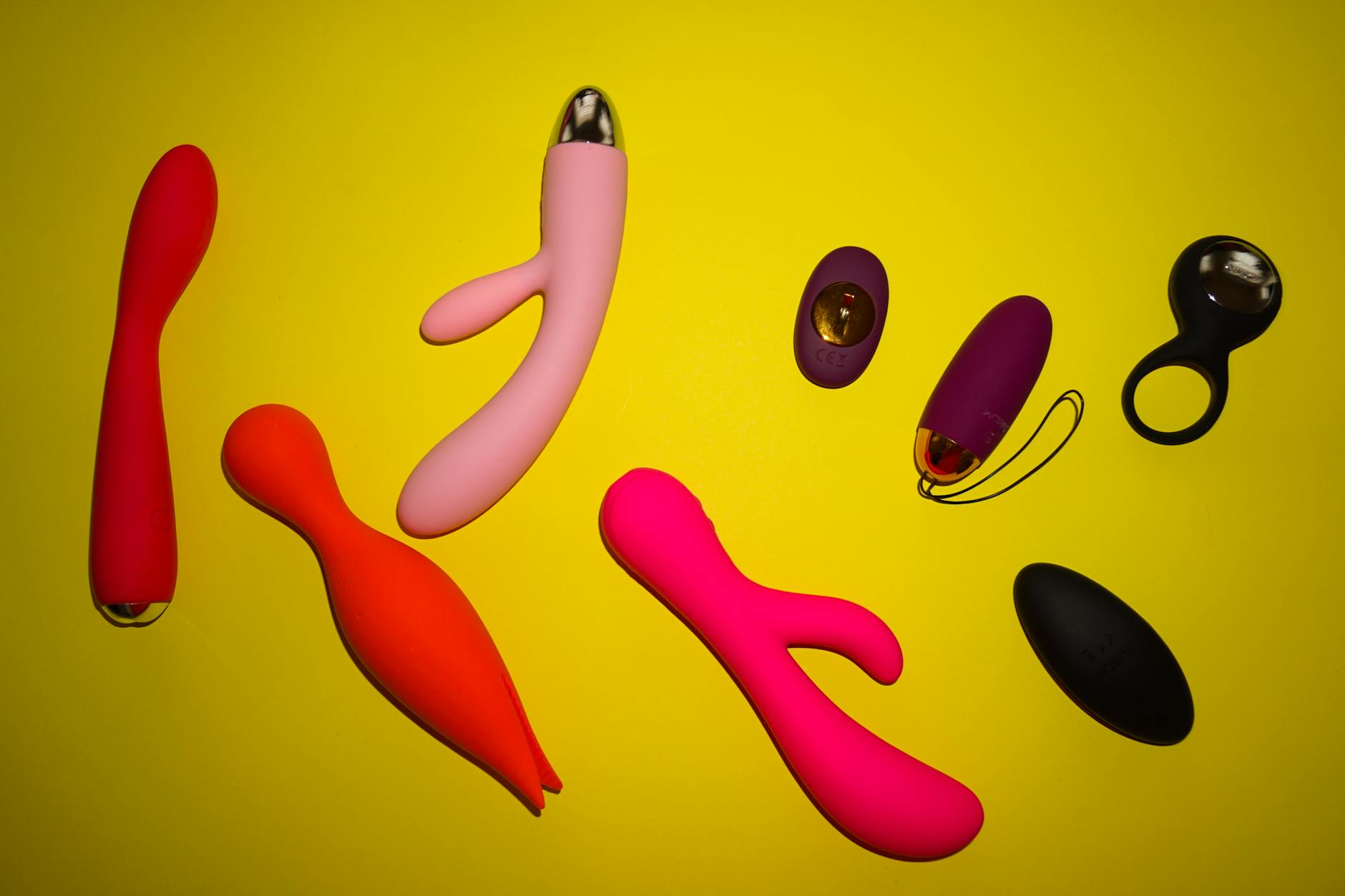
Photo by FounderTips on Pexels
Starting again after loss
If you're at the point where you're ready to explore pleasure again but the thought feels fragile, here's how I typically suggest approaching it:
Start with no expectation of orgasm. This is the hardest part because orgasm feels like proof that you're "fixed" or healing properly. You're not. You're just exploring. Your nervous system will tell you if it's ready for release. Until then, the goal is simple sensation awareness, nothing more.
Understand that numbness is normal. You might use a lemon clitoral vibrator for the first time after loss and feel almost nothing. This doesn't mean you're broken or that pleasure is gone forever. Numbness is a protection mechanism. Your body is slowly allowing sensation back in at a pace it can manage. Patience here is not passivity. It's respect for your own healing timeline.
Create a container that feels genuinely safe. This means privacy, yes, but also time. Not five rushed minutes before bed. An evening or afternoon where you're alone, your phone is on silent, and you're not watching the clock. Pressure kills the process. When your nervous system knows there's no deadline, it begins to relax.
Use water-based lubricant every time. After trauma, particularly sexual trauma, this matters more. Lubrication reduces friction, which means reduced physical discomfort and reduced chance of triggering a protective flinch. It's also a concrete way of saying to yourself: I'm taking care of my body. I'm not pushing through discomfort. This is an act of gentleness, not toughness.
The role of breath and presence
One thing people often miss when they're reintroducing pleasure is that their breath is shallow. Grief makes you hold your breath. Trauma makes you hold your breath. When you're using a lemon vibrator or any tool to rebuild sensation, conscious breathing changes everything.
Try this: before you even turn on the device, spend two minutes breathing in through your nose for a count of four, holding for a count of four, and exhaling through your mouth for a count of six. This activates your parasympathetic nervous system. the part responsible for rest, digestion, and yes, arousal. You're literally telling your body it's safe to relax.
Then, as you explore with the vibrator, notice where you're holding tension. Your jaw? Your belly? Your thighs? Tension is information. It tells you where your nervous system is still bracing. The goal isn't to force relaxation, but to notice it with curiosity rather than judgment.
Many people find that the first few sessions produce almost nothing except a sense of permission. That's the whole point. You're teaching your body that touch, sensation, and pleasure belong to you again.
Knowing the difference between healing and harm
Here's what concerns me: people rebuilding after loss often push too hard because they've internalized the narrative that they should be "over it" by now. They use too much intensity, too quickly. They ignore discomfort because they think they're supposed to power through.
You're not. If something feels bad, feels invasive, feels triggering, you stop. Not because you're broken. Because you're listening to your body, which is exactly what healing asks of you.
Watch for these signs that you might need to pace yourself differently:
- Dissociation during exploration (feeling outside your body, numb, disconnected)
- Panic or flashbacks during or after
- Forcing yourself to continue when you want to stop
- Using pleasure as punishment or as a way to "prove" you're healed
If any of these are happening, talk to a therapist who specializes in trauma and sexuality. This isn't shameful. It's smart. Rebuilding after loss is not a solo project, and sometimes you need support to do it safely.
The timeline is yours
One of the cruelest parts of grief is the constant message that you should be further along than you are. You're not supposed to still feel sad. You're not supposed to still need things to be gentle. You're definitely not supposed to still be figuring out how pleasure works in your body.
Ignore all of that. Your timeline is the only timeline that matters. Some people spend six months in gentle exploration. Some people spend two years. Some people find that their relationship to pleasure shifts entirely after loss, and that's okay too.
A lemon vibrator is a tool. It's not healing by itself. But it's a tool that respects where you are right now. It doesn't demand. It doesn't push. It simply says: here's a way to reconnect with sensation at your own pace, alone, in complete control.
That's where rebuilding often starts.
FAQ: Pleasure after loss and trauma
Is it normal to feel nothing the first time I use a vibrator after trauma?
Completely normal. Numbness is a protection mechanism, and your body will slowly allow sensation back in as it feels safe. The goal of early exploration isn't orgasm or intense feeling. It's just noticing: I can touch myself, this can feel okay, and I have control. That's enough.
Can using a lemon vibrator trigger trauma responses?
It can, particularly if you have a history of sexual trauma. That's not a reason to avoid it, but it's a reason to go slowly, use lubricant generously, and stop immediately if you feel panicked or dissociated. If you consistently have traumatic responses, working with a trauma-informed therapist before solo exploration can help.
How long should I wait after a loss before exploring pleasure again?
There's no universal timeline. Some people feel ready after a few months. Others need a year or more. You'll know you're ready when the thought of exploring pleasure produces curiosity instead of guilt or resistance. Curiosity is your signal to begin.
Should I tell my partner I'm using a vibrator while rebuilding after loss?
That depends on your relationship and whether you have one. If you do, it can help to separate two conversations: "I'm rebuilding my relationship with my own body" and "I want to explore with you." Those are different timelines, and honesty about that prevents resentment.
What if I'm grief-processing and I cry during exploration?
Let yourself cry. Grief and pleasure live close together in your nervous system. Sometimes when you soften enough to feel pleasure, you also feel the grief underneath it. That's not failure. That's integration. Keep going, or stop if you need to. Both are fine.
Can a lemon clitoral vibrator help me feel "normal" again?
It can help you feel like yourself again, which is different. Normal is overrated. Rebuilding pleasure after loss often means developing a different, sometimes deeper relationship with your body than you had before. That's not a loss. That's wisdom.