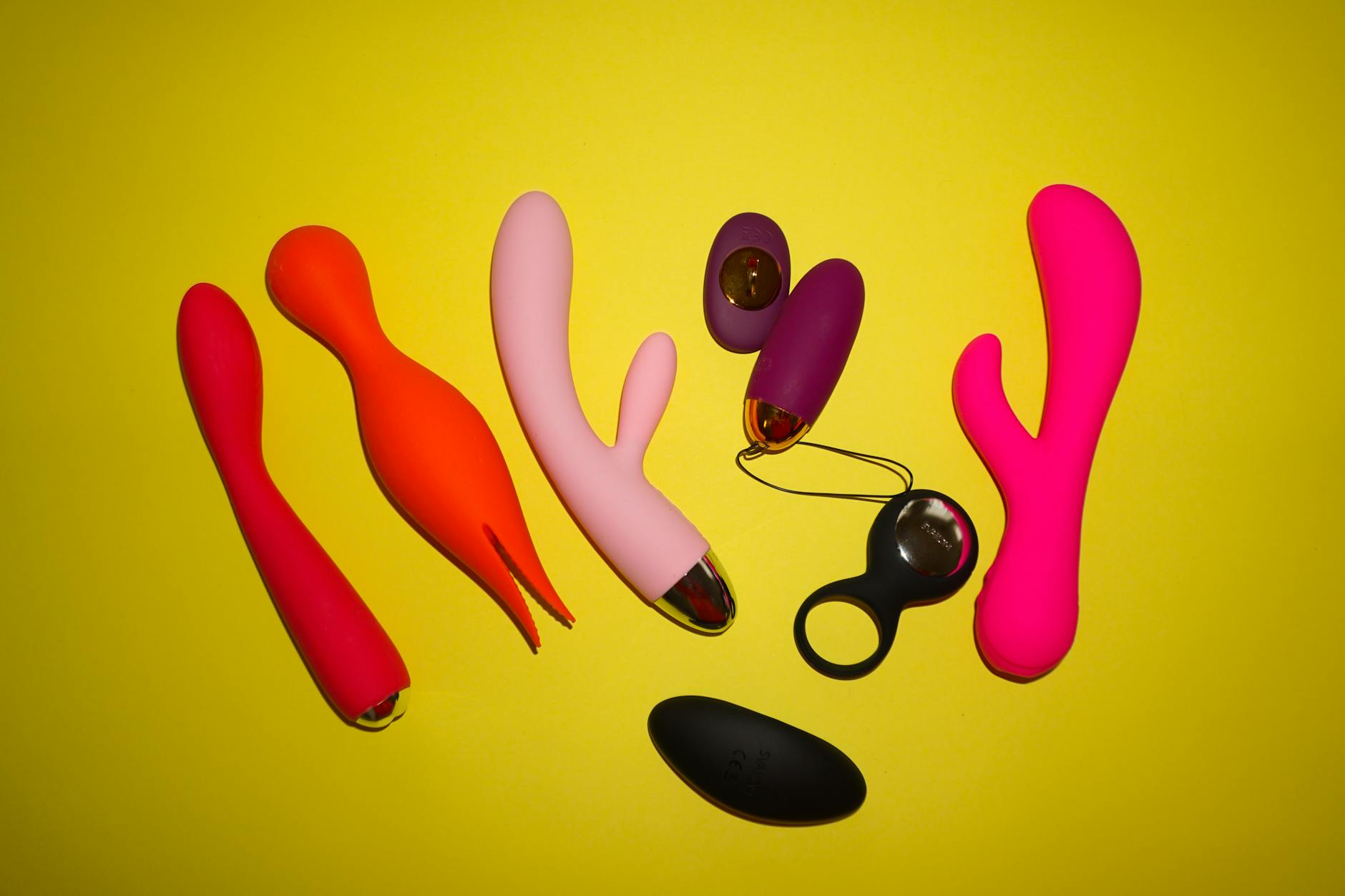
The lubrication problem nobody wants to talk about
Hormonal shifts kill natural lubrication. Your brain still wants pleasure. Your body just isn't making the wet part happen the way it used to. And then everyone around you acts confused about why that matters.
Let's be honest: friction without adequate lubrication feels awful. It hurts. It derails arousal. And it makes you wonder if something's broken inside you when really it's just that your hormones are doing what hormones do.
Here's what I see in practice all the time. Someone comes in frustrated because a vibrator that worked beautifully for years suddenly feels uncomfortable or ineffective. They've tried adding lube, and it helps, but not enough. They've added more time foreplay, and that helps too, but it's exhausting to perform a marathon warm-up just to get to the good part. What they haven't tried is switching their tool entirely. And that's usually where the shift happens.
Why hormonal dryness happens (and it's not a character flaw)
Estrogen directly affects vaginal tissue thickness and lubrication production. When estrogen drops—whether from birth control, antidepressants, hormonal IUDs, nursing, or natural cycle fluctuation—the tissue thins slightly and the glands produce less fluid. It's not dramatic. It's just enough to change the mechanics.
There are other culprits too. Antihistamines dry you out. Stress hormones inhibit lubrication signaling. Dehydration matters more than people realize. But the fastest way to lose natural lubrication is through hormonal suppression.
The problem with traditional vibrators when lubrication is low is pure physics. They require friction to feel good. Friction against thinner, drier tissue creates irritation instead of pleasure. You end up adding so much external lube that the whole experience becomes slippery and hard to control.
A suction-based lemon vibrator works on a completely different principle.
How suction actually solves the friction problem
Instead of rubbing back and forth, suction tools like the Lem pull gently on the clitoral tissue. The stimulation comes from pressure and release, not from speed or friction. This matters wildly when lubrication is low because there's no drag. No rubbing. No irritation building up over time.
Think of it this way: a traditional vibrator needs lubrication the way a car needs oil. Without it, the engine grinds. A suction vibrator doesn't need lubrication the way a straw needs lubrication when you're drinking a smoothie. It just works. You can add a small amount of water-based lube if you want more glide or comfort, but it's truly optional.
I've had clients with significant hormonal-driven dryness—from antidepressants, from hormonal IUDs, from nursing—switch to suction tools and say it's the first time in months they've felt actual pleasure instead of just mechanical stimulation.
The pattern-driven advantage
Most suction-based lemon sexual toys have multiple patterns and intensity levels. This is crucial when natural lubrication is low because you can start extremely gently. You're not fighting against friction from the first pulse.
The typical progression I recommend looks like this: start on pattern 1, the gentlest pulsing rhythm, at the lowest intensity. Let the suction pull your clitoral tissue gradually over the course of 5 to 10 minutes. Your tissue will start to plump slightly with blood flow. Lubrication increases. Then you can shift to a faster pattern or higher intensity if you want.
With a traditional vibrator and low lubrication, that gentle start phase still creates some friction discomfort. With suction, you're building sensation without any harsh drag.
When to use external lube anyway
This is important: suction vibrators don't eliminate the need for lube in every scenario. They just make it optional in a way traditional tools don't.
You might still want to use a bit of lube if your tissue feels particularly sensitive or if you have actual atrophic vaginitis (where tissue is genuinely thinner due to estrogen loss). A small amount of water-based lube creates a light seal that makes the suction feel even more intense without adding friction.
But here's the difference: with a suction tool, you're using lube to enhance sensation, not to prevent pain. That's a radically different experience.
If you're using an IUD, hormonal birth control, or antidepressants and you've noticed lubrication dropping, start with a lemon clitoral vibrator on the gentlest setting with zero external lube. See how your body responds over a few sessions. You might find you don't need extra lubrication at all.
The mental piece (which is actually huge)
One thing I talk about with couples is the psychology of dryness. If you've been told your whole life that natural lubrication is a sign of desire and arousal, then reduced lubrication can feel like a sign that something's wrong with your want. It's not. It's hormones being hormones.
But the anxiety can be real. And anxiety kills arousal even more effectively than hormones do.
Switching to a tool that works beautifully without relying on natural lubrication can be genuinely freeing. You stop waiting for your body to produce something it's not producing right now. You stop calibrating your desire against your body's biochemistry. You just get pleasure directly.
That shift—from "my body isn't cooperating" to "I have a tool that works with my body as it is"—changes the whole experience.
What to try first
If hormonal shifts have tanked your lubrication and traditional vibrators are uncomfortable, the lemon clitoral vibrator is worth a serious look. It's designed specifically for direct clitoral stimulation without friction. Start with it dry. No lube. Just the suction. Use pattern 1 or 2 for at least five minutes before increasing intensity.
If you're using hormonal birth control or antidepressants, expect this to be your new normal for as long as you're on them. That doesn't mean your pleasure has to shrink. It just means your pleasure works differently now.
You might also explore whether the hormonal change is temporary or permanent. If it's from a specific medication, ask your doctor about timing. Some people find that using vibrators at certain times in their cycle (if they still cycle) produces better results. Others find that switching birth control methods makes a difference.
But in the meantime, tools like lemon sexual toys remove the friction problem entirely. You get to have pleasure on your terms, without fighting your body's current biochemistry.
The bigger picture
Reduced lubrication from hormonal shifts is common and fixable. It's not a sign that desire is gone. It's not a sign that you're broken. It's just that your tissue's baseline hydration changed and friction-based tools don't work as well anymore.
Suction-based lemon adult toys sidestep the whole problem. They deliver intense, focused stimulation without requiring the friction that causes discomfort when lubrication is low.
Your pleasure matters. Your body deserves tools that work with it, not against it. If hormonal dryness is blocking the pleasure you want, that's exactly what these tools are designed for.
Frequently asked questions
Do I need lubricant with a suction lemon vibrator if I have hormonal dryness?
Not necessarily. One of the huge advantages of suction-based tools is that they stimulate tissue without friction, so they work without external lube even when natural lubrication is low. Many people find they don't need any lube at all. You can experiment and add a small amount of water-based lube if you want more glide or comfort, but it's genuinely optional rather than essential.
Will a suction vibrator work if I'm on antidepressants that have killed my libido?
Antidepressants typically affect both lubrication and desire, but those are separate problems. A suction tool addresses the mechanical lubrication issue beautifully. As for desire itself, that's more complex and might require a conversation with your prescriber about timing of medication, switching medications, or adding augmentation strategies. The tool handles the wet part. The desire part might need other support.
How long should I use a suction vibrator if natural lubrication is low?
Start with five to ten minutes on gentle patterns to let tissue plump up with blood flow. Your natural lubrication will increase slightly as arousal builds. Then you can continue or increase intensity. There's no time limit. Listen to your body's comfort level, not a clock.
Does hormonal birth control permanently reduce lubrication?
For most people, reduced lubrication from hormonal birth control is reversible once you stop the method. But while you're on it, that's your baseline. Some people find different birth control formulations change their lubrication slightly, so switching might help. But planning to switch methods just for lubrication is probably overkill—suction tools solve the mechanical problem.
Can I use a lemon clitoral vibrator if I'm nursing and my hormones are tanked?
Yes. Nursing suppresses estrogen, which is why many nursing people experience dryness. It's temporary and reversible once you stop nursing. In the meantime, suction vibrators are perfect because they work without friction. You might add a bit of lube if tissue feels particularly tender, but many people find they don't need it.
Is hormonal dryness the same as atrophic vaginitis?
Not quite. Regular hormonal dryness from birth control or stress means lower lubrication production but tissue is still normal thickness. Atrophic vaginitis is more serious—tissue actually thins and can become fragile. If you have pain, irritation, or visible tissue changes, see a healthcare provider. That might need topical estrogen or other treatment. But regular hormonal dryness? That's where lemon sexual toys shine.